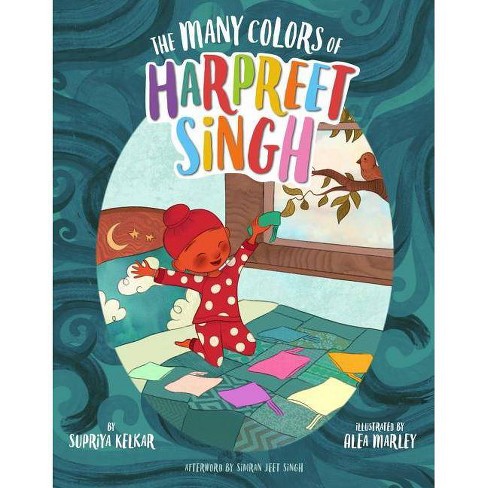
Explore teaching general music through a culturally responsive lens. Part 7: Learn how to adapt dance in a culturally responsible way. Then use the book The Many Colors of Harpreet Singh as a starting point to teach the Bhangra dance.
The ideas, notes, and materials are the intellectual property of Manju Durairaj. Please use and adapt them for use in yourmusic room. However, you do not have permission to share without the express permission of the author.
Dance and movement are integrated into many aspects of the general music curriculum, as illustrated below. As my students ease back into in-person learning situations, now more than ever, I feel the importance of movement in the music class. My lesson design integrates movement to develop conceptual knowledge and skills.
In adapting variations to dances and movements, we need to be mindful of adapting actions that are culturally appropriate. In adapting dances to follow Covid protocols we focus on dances that can be performed safely or have movements that can be adapted within the cultural context.
A book that I would like to explore with you is The Many Colors of Harpreet Singh by Supriya Kelkar and illustrated by Alea Marley. This story is of a little Sikh boy who wears a different colored patka, or head covering, depending on his feelings. The book also refers to the Bhangra dance which is a great dance for both individual and group dancing.
Using diverse children’s literature, like The Many Colors of Harpreet Singh, can facilitate discussions using prompts from Visual Thinking Routines. When working with my students, we would create movements based on Bhangra figures that they have learned, and the lesson concludes with a Bhangra dance choreographed by the students. Students can create this dance independently or in small groups within the breakout rooms.
Diverse children’s books and media are a vital part of my music curriculum. They are where children see themselves affirmed, represented; characters and themes they can relate to; issues they can grow aware of. These stories integrated into a music curriculum do so much to develop empathy, collaboration, and healthy relationships.
I find that the combination of music-making and a powerful story can be tremendously impactful in keeping my students engaged in developing a deep understanding of musical elements — as well as growing them as individuals with healthy social-emotional identities.
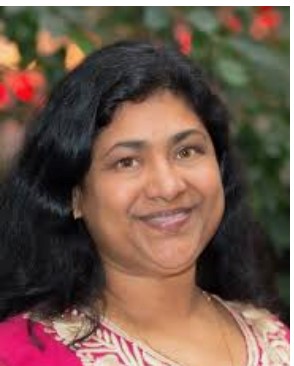
Manju Durairaj was born and raised in India, studied in Pune, India, and was involved in graduate research projects on comparative pedagogical practices of Indian (Carnatic) and Western Music at Middlesex University, London, UK. She graduated with her second…





 Facebook
 Twitter
 Pinterest
 LinkedIn
 Email
Email Print
Print