




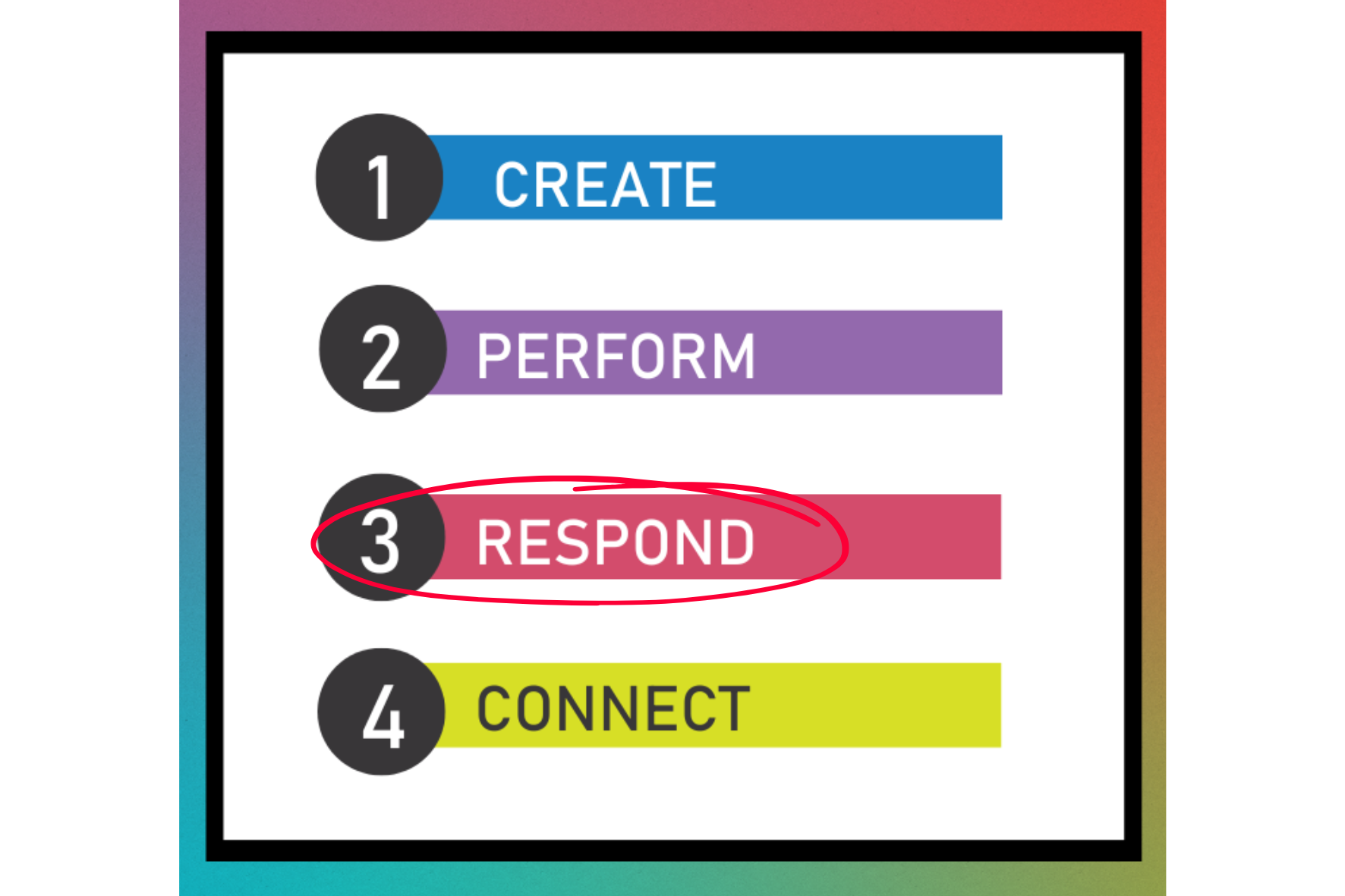
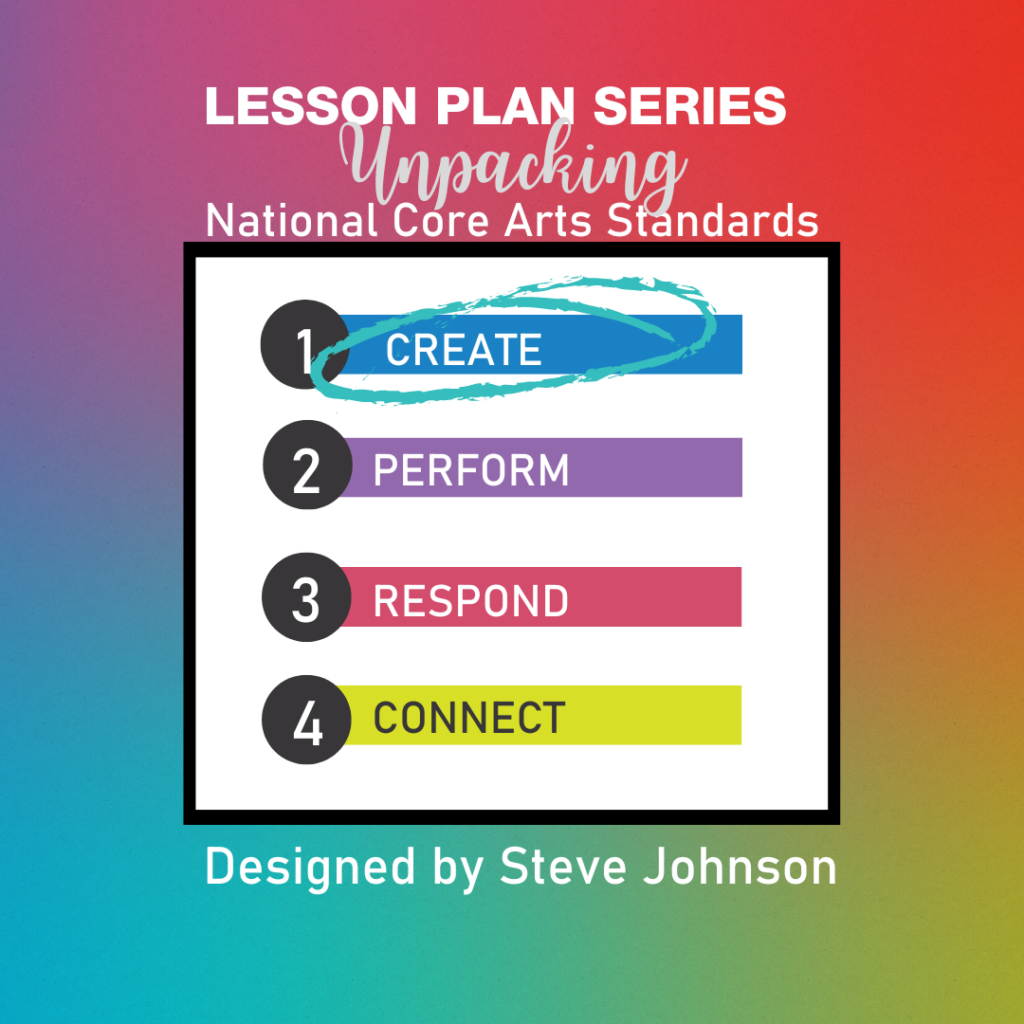
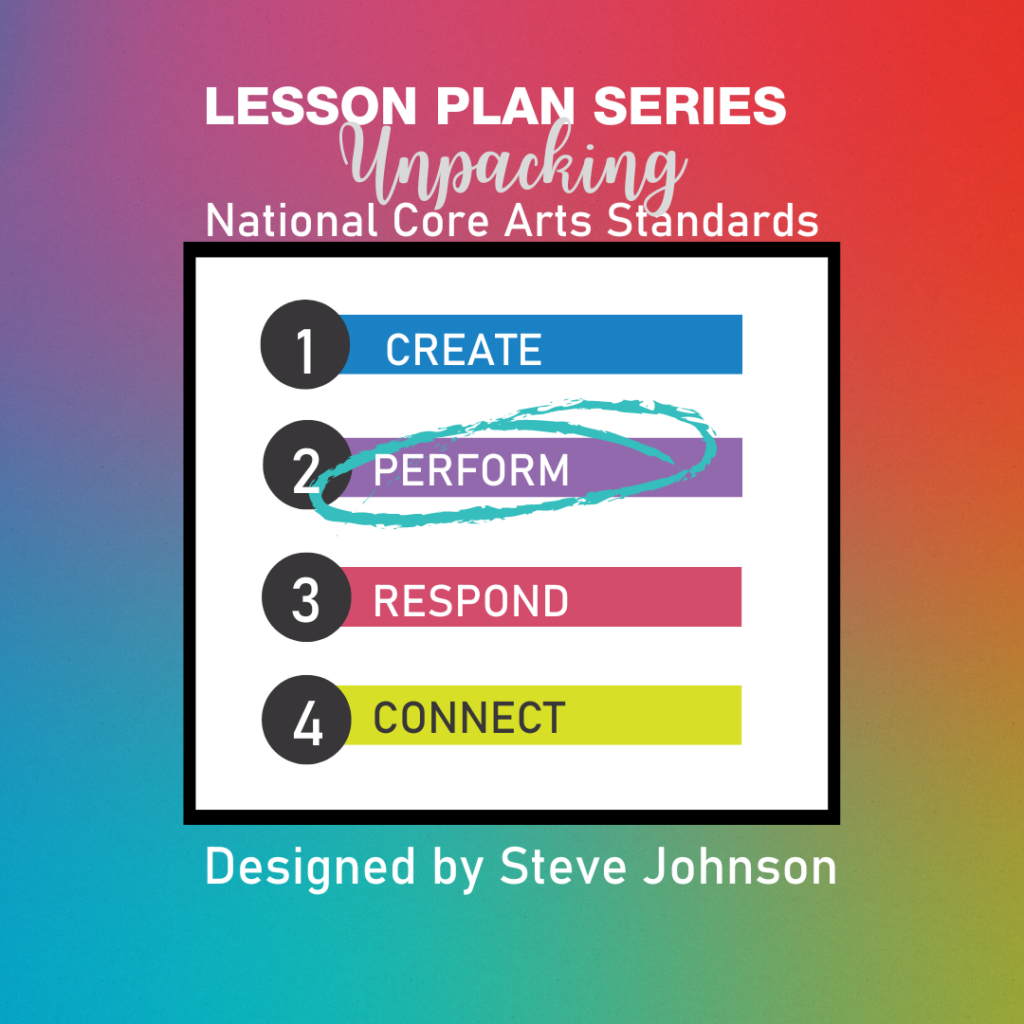
The National Core Arts Standards (NCAS) provide a framework for teaching critical elements of the artistic processes. In music, these include Creating (Cr), Performing (Pr), Responding (Re), and Connecting (Cn). Each is organized using anchor and performance standards incorporating the base concepts of selecting, analyzing, rehearsing, evaluating, refining, and presenting music material.
Responding, or understanding and evaluating how the arts convey meaning, is a process I find particularly challenging. Everyone listens to music in some way, shape, or form, yet when listening activities are brought into the classroom, they are often met with mixed success. The NCAS compounds this issue with responding standards that appear confusing and vague, seemingly overcomplicating the issues.
This curriculum blueprint aims to shed light on the responding aspect of NCAS and get to the core of the language. Sample lesson plans using variations on Beethoven’s 5th Symphony will show the nuances between K-4 and how the response process evolves across grade levels.
The arts contribute to discovering who we are. The arts inform our lives with meaning and have shaped every culture and individual on earth. Education standards aim to identify the learning and drive improvement in the system that delivers that learning.
Standards for arts education are important for two fundamental reasons. First, they help define what a good education in the arts should provide: a thorough grounding in a basic body of knowledge and the skills required both to make sense and to make use of each of the arts disciplines—including the intellectual tools to make qualitative judgments about artistic products and expression. Second, when states and school districts adopt the standards, they take a stand for rigor, informed by a clear intent. A set of standards for arts education says, in effect, “An education in the arts means that students should know what is spelled out here, reach specified levels of attainment, and do both at defined points in their education.” (NCAS Conceptual Framework, p. 5)
In 2014, the New National Core Arts Standards were adopted. They consist of a Conceptual Framework in narrative form that outlines the philosophy, primary goals, dynamic processes, structures, and outcomes that shape student learning and achievement in dance, media arts, music, theatre, and visual arts.
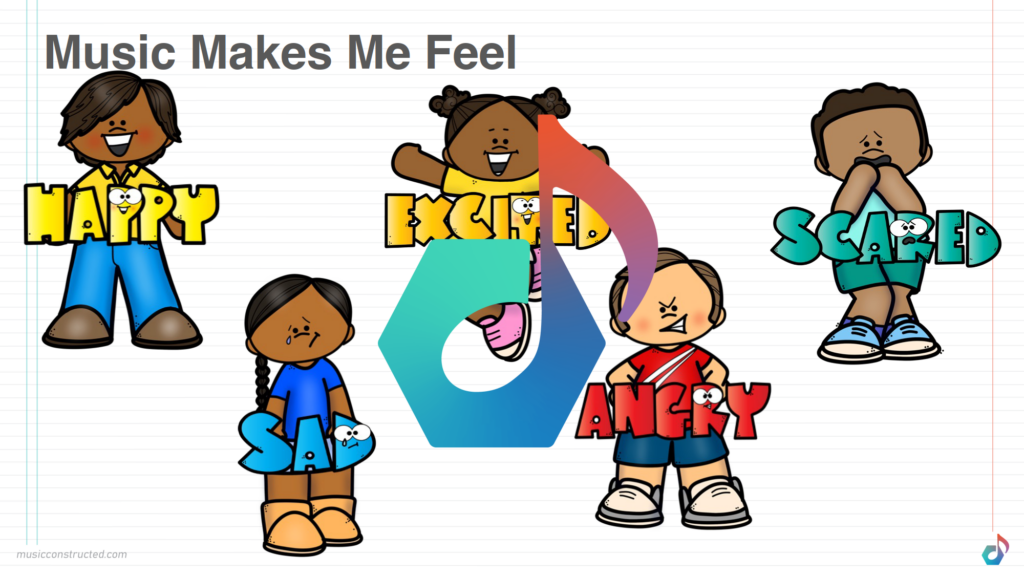
After breaking down the components, responding to music within these parameters is still confusing. To illustrate further, examine the sample lessons demonstrating the responding process in a classroom setting. Each K-4 lesson involves the first movement of Beethoven’s 5th symphony to show the nuance between grade levels. This piece is synonymous with classical music, rich with rhythmic and textural elements and clearly illustrates how music can convey emotion, making it a prime candidate for responding.
These lessons show how students interact with responding material at different grade levels. The younger grades get a lot of teacher guidance and a taste of analyzing and interpreting music. Moving toward upper elementary, students can explain and articulate their thinking at a higher level with less teacher guidance.
The variations on Beethoven’s 5th recommended in the lessons can be mixed and matched at the teacher’s discretion, and many more versions are available on YouTube. Generally, audio is better than video: while students may attend to a video more readily, video distracts from the task. Playing YouTube videos from a phone, with the audio routed through a good stereo system, is a quick and easy solution.
As you read through each lesson, look for the similarities in the process while remembering the sequence inherent in the organization of the standards – select, analyze, interpret, and evaluate.
Once a piece is analyzed, and you can interpret why musical choices were made, you can evaluate it. This may entail evaluating the musical work for its application of musical concepts/intent or evaluating a specific performance.
Activities in the Responding realm deal with music not intended for performance. It makes sense that you would analyze and evaluate music you are performing differently than you would analyze music you are “just listening” to. Performing and responding are similar; both include selecting, analyzing, interpreting, and evaluating. It is, however, essential to keep in mind the distinction when writing curriculum and planning lessons.
I have highlighted the responding standards throughout each lesson and have narrowed students’ responses at each grade level to focus on a different musical or expressive element.
| Kindergarten | Demonstrate a steady beat and basic awareness of emotional intent. |
| Grade One | Demonstrate a steady beat, identify the tempo, and select the preferred version. |
| Grade Two | Identify musical elements and emotional intent, comparing the effectiveness of two different versions. |
| Grade Three | Identify the form and how structure affects expressive intents. |
| Grade Four | Identify timbre (instruments) and how it affects expressive intent. |
$15.00Add to cart
If you are ready to unpack the National Core Arts Standards,
this lesson series is for you!

Contributor
Steve Johnson Jr. is a music educator, composer and performer. He holds a B.S in Music Education from Rhode Island College, a Master’s of Music Education from the University of Rhode Island and Orff level I certification. He has been teaching…
Discover more from Steve
Contributor
Kate Hagen currently teaches in the Iowa City Community School District. She has 20 years of experience working with K-6 students in public schools. Kate has a license in Music Therapy from the University of Iowa, and a Masters of Music Education from University of…
Discover more from Kate Facebook
 Twitter
 Pinterest
 LinkedIn
 Email
Email Print
Print