



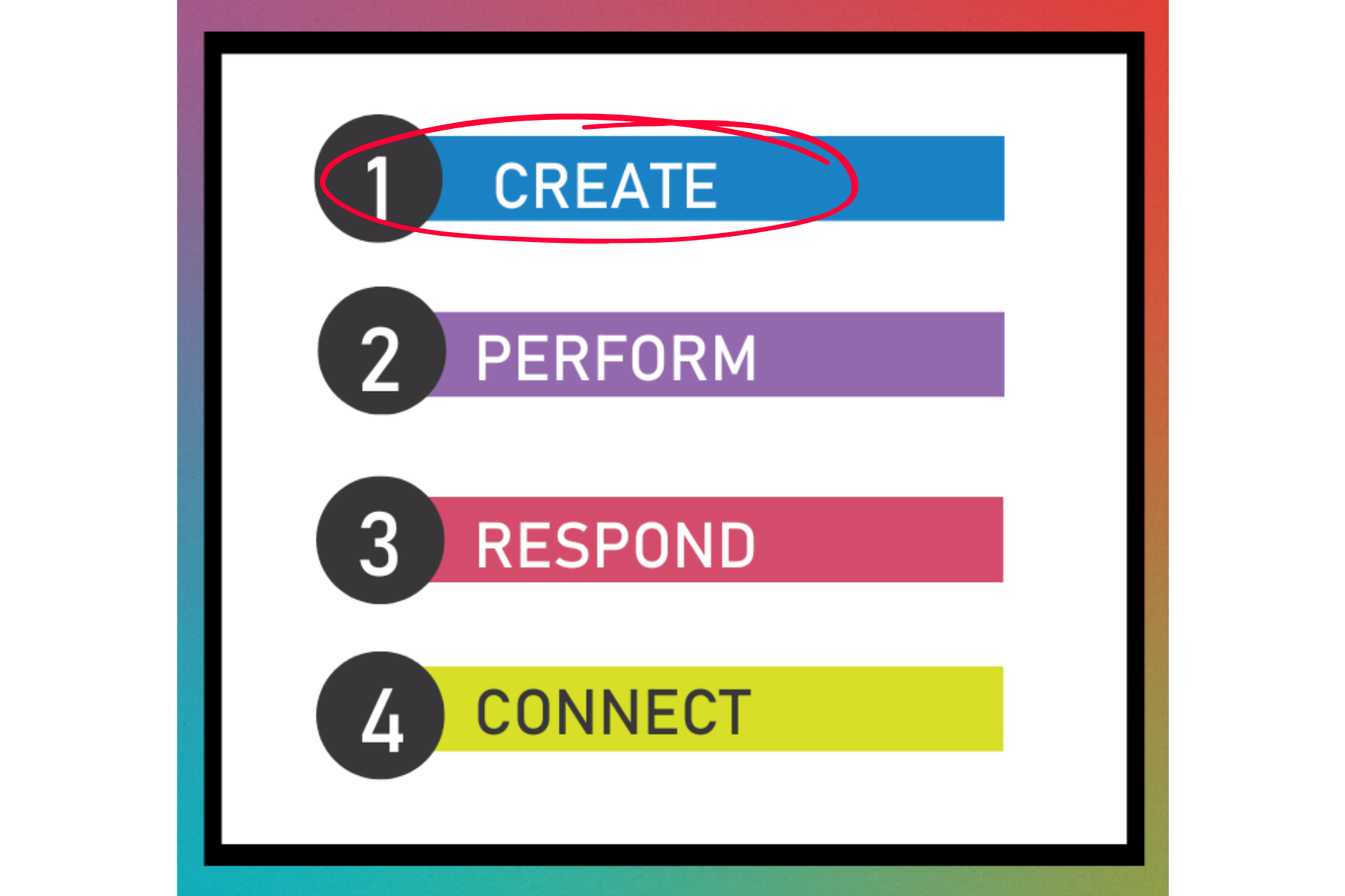
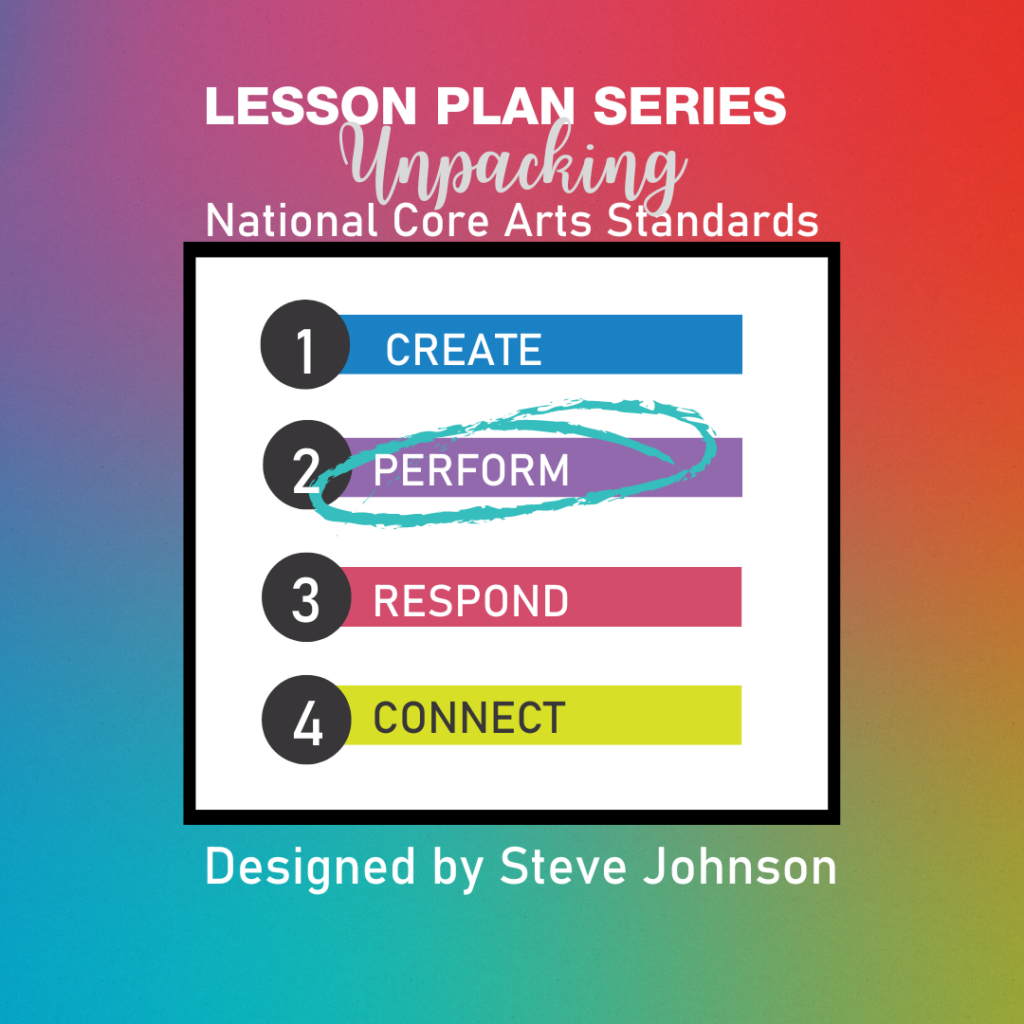
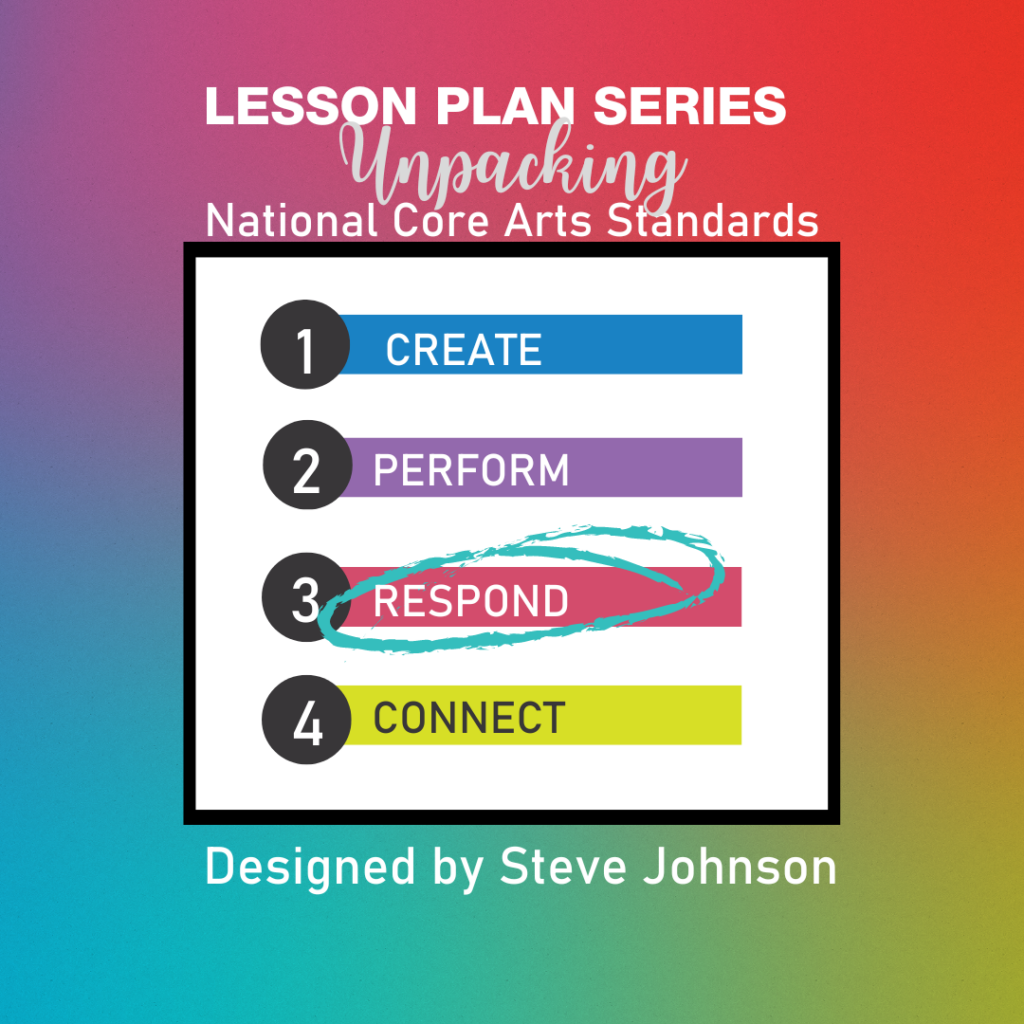
The National Core Arts Standards (NCAS) provide a framework for teaching critical elements of the artistic processes. In music, these include Creating (Cr), Performing (Pr), Responding (Re), and Connecting (Cn). Each is organized using anchor and performance standards incorporating the base concepts of selecting, analyzing, rehearsing, evaluating, refining, and presenting music material.
Music teachers are very good at navigating the performance process, a fundamental experience at the core of our collegiate training. The other artistic processes, however, are a bit more challenging to jump into with similar confidence.
Perhaps the most intimidating artistic process is creating. This usually conjures up thoughts of composing and adhering to strict guidelines or, even worse, improvising! While both activities fall under the creating umbrella, there’s a little more to the story. If you can get past the technical language in the NCAS, you will find that creating in K-4 general music classes taps into collective creativity and can be fun.
This curriculum blueprint aims to shed some light on the creating process, breaking down performance standards from grades K-4 in a general music setting. These lesson plans demonstrate how the artistic creation process can evolve across grade levels.
The arts contribute to discovering who we are. The arts inform our lives with meaning and have shaped every culture and individual on earth. Education standards aim to identify the learning and drive improvement in the system that delivers that learning.
Standards for arts education are important for two fundamental reasons. First, they help define what a good education in the arts should provide: a thorough grounding in a basic body of knowledge and the skills required both to make sense and to make use of each of the arts disciplines—including the intellectual tools to make qualitative judgments about artistic products and expression. Second, when states and school districts adopt the standards, they take a stand for rigor, informed by a clear intent. A set of standards for arts education says, in effect, “An education in the arts means that students should know what is spelled out here, reach specified levels of attainment, and do both at defined points in their education.” (NCAS Conceptual Framework, p. 5)
In 2014, the New National Core Arts Standards were adopted. They consist of a Conceptual Framework in narrative form that outlines the philosophy, primary goals, dynamic processes, structures, and outcomes that shape student learning and achievement in dance, media arts, music, theatre, and visual arts.
Let’s dig a little deeper into Creating performance standards by grade level. I have designed five lessons to demonstrate the alignment of tasks between grade levels. Notice the spiral nature of creating tasks and how they naturally build in complexity, leading concepts through difficulty levels.
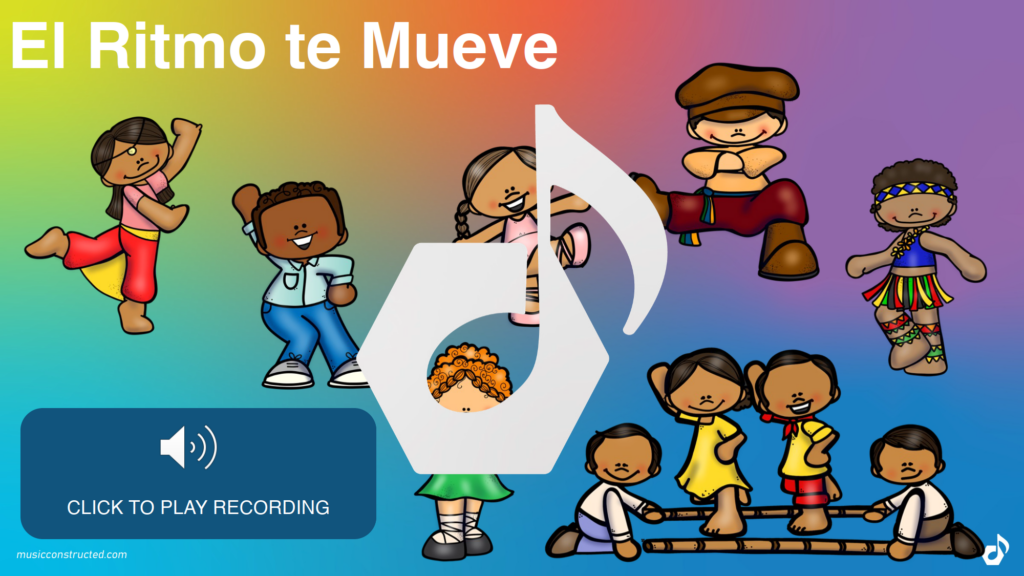
To highlight the nuances, each lesson plan will be working from the same source material, “El Ritmo Te Mueve” (The Rhythm Moves You), an original composition inspired by “Oye Como Va.” Each lesson focuses on a different creating task, progressing in complexity, guided by the performance standards.
Many of these activities are interchangeable and can be used across multiple grade levels. Like the other artistic processes, the younger grades start slow with lots of guidance, while complexity and independence increase as students age.
| Kindergarten | Created movements to follow the steady beat. |
| Grade One | Create percussive accompaniment to follow the steady beat, and explore same v. difference in responses. |
| Grade Two | Create melodic and percussive accompaniments to accompany the steady beat, and explore different calls and responses. |
| Grade Three | Create melodic improvisations within a given tonality. |
| Grade Four | Compose a melody within a given rhythmic and harmonic context. |
$15.00Add to cart
If you are ready to unpack the National Core Arts Standards,
this lesson series is for you!
Contributor
Steve Johnson Jr. is a music educator, composer and performer. He holds a B.S in Music Education from Rhode Island College, a Master’s of Music Education from the University of Rhode Island and Orff level I certification. He has been teaching…
Discover more from Steve
Contributor
Kate Hagen currently teaches in the Iowa City Community School District. She has 20 years of experience working with K-6 students in public schools. Kate has a license in Music Therapy from the University of Iowa, and a Masters of Music Education from University of…
Discover more from Kate Facebook
 Twitter
 Pinterest
 LinkedIn
 Email
Email Print
Print