Summary
Simple, practical SEL routines like affirmations, check-ins, and mindful listening to help foster student connection, emotional regulation, and classroom community,all within the natural flow of the school day.
by Meghan Kennedy





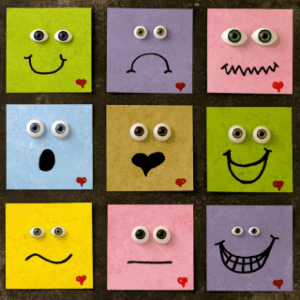
Simple, practical SEL routines like affirmations, check-ins, and mindful listening to help foster student connection, emotional regulation, and classroom community,all within the natural flow of the school day.
by Meghan Kennedy

Discover how to create and use a Calm Corner as a supportive classroom tool for emotional regulation. Learn which calming items to include, how to set expectations for use, and how to ensure the space remains a positive, empowering resource for students.
by Meghan Kennedy
Being in a classroom that serves many students provides such a privilege to be an important facilitator of students’ Social Emotional Learning (SEL) journey. SEL can be defined as, “the process through which all young people and adults acquire and apply the knowledge, skills, and attitudes to develop healthy identities, manage emotions and achieve personal and collective goals, feel and show empathy for others, establish and maintain supportive relationships, and make responsible and caring decisions.” This description by CASEL outlines six skills that we can focus on in our SEL programs:
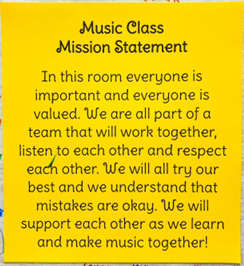
Students often come in and out of our classrooms in quick rotations, so finding time to devote to SEL can be tricky. However, there are many ways to incorporate SEL into our daily routines and through short activities. This natural integration of SEL skills positively impacts classroom culture and students’ ability to feel comfortable in that environment. Check out my suggestions below, and after each activity, I’ve cited which skills it touches on:
This routine can help develop the following skills: establishing/maintaining relationships, managing emotions, and achieving/setting goals.
This routine can help develop the following skills: achieving/setting goals.
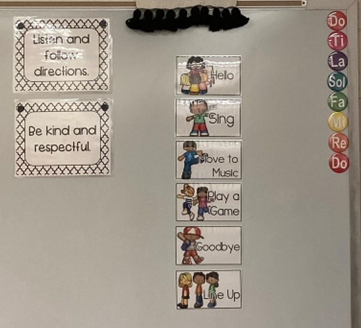
This activity can help develop the following skills: establishing/maintaining relationships, managing emotions, achieving/setting goals, making responsible decisions, and developing/expressing identity.
This activity can help develop the following skills: developing/expressing identity, achieving/setting goals, managing emotions, feeling/showing empathy, and making responsible decisions.
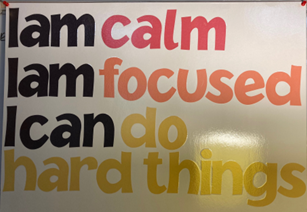
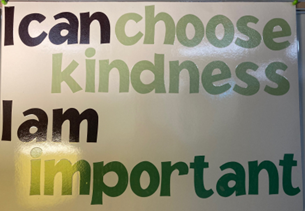
This activity can help develop the following skills: achieving/setting goals, managing emotions, establishing/maintaining relationships, feeling/showing empathy, and making responsible decisions.
Would you rather?
This activity can help develop the following skills: establishing/maintaining relationships and developing/expressing identity.
Listening exercise with a prompt:
This activity can help develop the following skills: feeling/showing empathy, managing emotions, and developing/expressing identity..
Come to the middle if…
This activity can help develop the following skills: establishing/maintaining relationships and developing/expressing identity.
Get to know you:
This activity can help develop the following skills: establishing/maintaining relationships, developing/expressing identity, and feeling/showing empathy.
These activities are attainable ways to help set an environment where students can develop/express their identity, manage their emotions, achieve/set goals, feel/show empathy, establish/maintain relationships, and learn responsible decision-making. Even small activities and routines have a big impact on classroom culture. SEL sets a positive tone where students can feel recognized, represented, respected, and where they can connect with their classmates. Implementing activities like these in your classroom helps students develop skills that will impact them throughout their lives.
CASEL (n.d.). Fundamentals of SEL. Casel.org. Retrieved February 8, 2025, from https://casel.org/fundamentals-of-sel/
Headspace (n.d.). Mindfulness with Kids. Headspace.com. Retrieved February 8, 2025, from https://my.headspace.com/modes/meditate/topic/99

Contributor
Meghan Kennedy is in her eighth year of teaching music in Georgia. She has taught PK-5 General Music, 3rd-5th Chorus, 4th-5th Band, and High School Marching Band. Meghan earned her Bachelor of Music Education from Gettysburg College, where she…
Discover more from Meghan Facebook
 Twitter
 Pinterest
 LinkedIn
 Email
Email Print
Print