Discover how to create and use a Calm Corner as a supportive classroom tool for emotional regulation. Learn which calming items to include, how to set expectations for use, and how to ensure the space remains a positive, empowering resource for students.
A Calm Corner is a dedicated space in the classroom where students can take some time to reset and embrace their feelings in a more private setting. Students can sometimes feel overwhelmed by things happening in the classroom or a situation from another part of their day. It’s beneficial to have a dedicated space in your room where students can remove themselves from the group, take some alone time, and manage their emotions.
Components of a Calm Corner
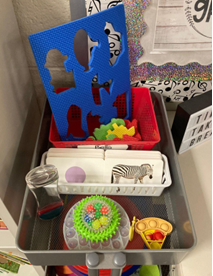
The components of my calm corner include options for refocusing through breathing, toys to help with regulation, and activities to serve as a distraction when students are feeling overwhelmed. While students may come into the Calm Corner with a plan in mind, I do include notecards that list the options for activities in this space. Providing options helps students discover the most successful ways to regulate their emotions. Here are the components of my calm center and their purpose:
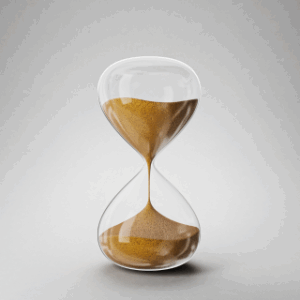
Sand Timers
Sand Timers work well as a visual time limit. While there are unique circumstances where students may need a longer visit, I encourage students to rejoin the class after about 5 minutes. I found timers of varying lengths to help students gauge their time usage. These can be used in addition to another activity, but some students may want to sit and watch the sand fall through the timer.
Bubble Timers
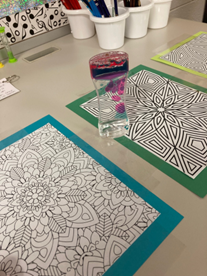
Bubble Timers also work as a great visual to gauge time. Students will sit, breathe, and watch the bubbles float from top to bottom. I also like having a few of these available so I can bring them to students who may want to stay in their seats but still need a tool to help them reset.
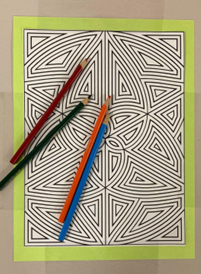
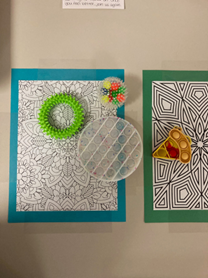
Coloring
This is a great way for students to steady their breathing and refocus their thoughts by directing their attention to something else. A creative outlet is a great choice for some students to help reset or channel their emotions.
Positive Affirmations
Encouraging an optimistic frame of mind can help students reset their own thinking. These may be affirmations that you regularly use in your classroom or they can be general positive mindset reminders.
Puzzles
Simple puzzles and sorting activities provide easy tasks for students to complete. Sensory play can be a fun outlet for students’ emotions.
Fidget Toys
Fidget toys are a great sensory tool for students to use while breathing and resetting. It can help them focus by having a tactile outlet for their emotions. This is another portable tool that I will sometimes give to students in their seats. Some students just need a tool to help them regulate while remaining in their seats so I like to have a variety of these available to pass out as needed.
Headphones
Headphones help cut the volume of the classroom if students are feeling overwhelmed. This tool can also be used outside of the Calm Corner. For example, I have used them for students who may get overwhelmed by the volume when we’re using instruments.
Setting Expectations
It’s important to set expectations for respecting this space and respecting other students as they use this space. While these expectations may vary based on your classroom environment, I emphasize the importance of utilizing this space when it is most needed. I clarify that this space is for when students don’t feel that they can manage their emotions in their seats and need some private space. We also discuss that the Calm Corner likely won’t be used in every class and certainly not by every student. Situational examples can help visualize the proper uses for this space (for example, being tired is not a great use of this space, but struggling to control your emotions after disagreeing with another student could provide a good opportunity to use the Calm Corner).
Positive Association
It is important to establish the Calm Corner as a positive tool for managing big feelings. Students shouldn’t feel like they’re being removed from the class as a punishment. For this reason, I encourage students to have a quick conversation with me before they go to the Calm Corner. Then I can understand what the student may need and help point out tools that might be beneficial.
There are a lot of components to students’ days that can carry over into the music classroom and situations that arise in the music classroom. Sometimes they just need a few minutes to reset before jumping back into music-making. A Calm Corner is a great tool for providing students this space to take a break to reset, feel their emotions, and build a repertoire of tools to help with regulation.
Meghan Kennedy is in her eighth year of teaching music in Georgia. She has taught PK-5 General Music, 3rd-5th Chorus, 4th-5th Band, and High School Marching Band. Meghan earned her Bachelor of Music Education from Gettysburg College, where she…
These are excellent suggestions and tools Meghan, thank you so much for writing this up. I especially like the suggestions for guidelines of when the corner could/should/would be used and that there may be days when it isn’t needed at all. Offering those possibilities allow kids the thought process of the possibility of handling class from their seats…even when emotions are big. Building resilience!





 Facebook
 Twitter
 Pinterest
 LinkedIn
 Email
Email Print
Print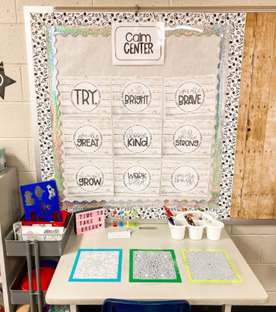

Joanie Calem
July 11, 2025
These are excellent suggestions and tools Meghan, thank you so much for writing this up. I especially like the suggestions for guidelines of when the corner could/should/would be used and that there may be days when it isn’t needed at all. Offering those possibilities allow kids the thought process of the possibility of handling class from their seats…even when emotions are big. Building resilience!