Summary
Blob Opera was created to honor and explore the original musical instrument: the voice. Learn the ins and outs of this program and how to start your students composing with voice using this highly addictive program.
by Kate Hagen




Blob Opera was created to honor and explore the original musical instrument: the voice. Learn the ins and outs of this program and how to start your students composing with voice using this highly addictive program.
by Kate Hagen

Introduce your students to the opera genre using TV commercials and discuss why advertisers would choose to use this style of music. The lesson culminates with students watching and listening to the animated short Maestro.
by Kate Hagen
“One of the most magical things about opera is that it takes advantage of the broad spectrum of the human singing voice.”
Blob Opera was created to honor and explore the original musical instrument: the voice. To create the experiment, four singers recorded sixteen hours of themselves singing. After uploading the recordings, the machine learned what opera singing sounds like and can produce and harmonize an opera song. Watch this quick recording from the creator of Blob Opera – Making Blob Opera with David Li.
I include Blob Opera in the series of lessons I teach about Opera.
In the Blob Opera experiment, students drag the blobs up and down to change the pitch. Or forwards and backward for different vowel sounds. A machine learning model lets the remaining blobs respond to and harmonize your input in real-time.


When students click the speaker symbol above the heads of each blob, it turns off that voice, and the blob will shut its eyes. Another amusing trick is that the awake blobs will follow the mouse icon with their eyes!

There are several pre-programmed songs in Blob Opera for students to experiment with. When students click the world button, a menu of countries will appear. Choose one of these countries, and the blobs “travel” to a stage there.


Once on the new stage, click on the song list icon, and a menu of songs will appear. Students can record the song version they create using the record button in the left corner. Compositions can be saved to Facebook, Twitter, Pinterest, Email, Tumblr, Classroom, or copy a link to save for later.


At different times of the year, there will be an additional menu of options. The following images are from December, when the Winter song appears. Blob Opera also has a New Year’s version. So, keep your eyes open for an additional button. Click on it and access a new menu of songs.


Blob Opera allows one student at a time to participate; access to 1:1 devices or pairing students on devices will be most efficient. No log-on or collection of student information is required.
WARNING!
Blob Opera is addictive! Creative individuals have made covers using Midi and Blob Opera. YouTube is filled with ideas and tutorials that make the possibilities of student composing with voice endless. Even better, since this is a web-based software, students can use it at home.
Google Arts and Culture. (2020c, December 15). Create a song with Blob opera | google arts & culture. YouTube. https://www.youtube.com/watch?v=nAgdT-YO_nc
Google. (2020, December). Blob opera by Artist in Residence at Google Arts & Culture: David Li – experiments with google. Google. https://experiments.withgoogle.com/blob-opera#:~:text=How%20it%20works%3A,your%20input%20in%20real%20time.
Google. (n.d.). Blob Opera – Google Arts & Culture. Google. https://artsandculture.google.com/experiment/blob-opera/AAHWrq360NcGbw?hl=en
Contributor
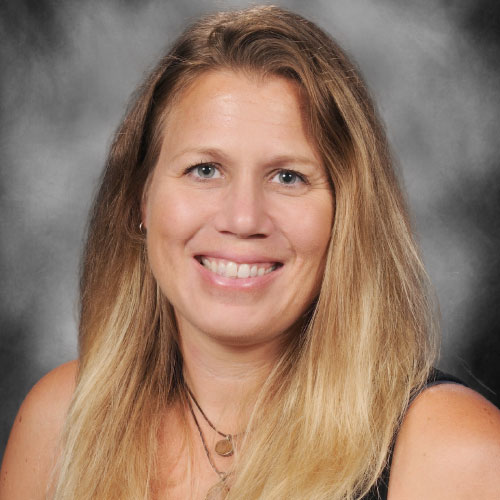
Kate Hagen currently teaches in the Iowa City Community School District. She has 20 years of experience working with K-6 students in public schools. Kate has a license in Music Therapy from the University of Iowa, and a Masters of Music Education from University of…
Discover more from KateHello (not ? Log out)
 Facebook
 Twitter
 Pinterest
 LinkedIn
 Email
Email Print
Print
Cheryl L Baker
February 17, 2024
I love Blob Opera and use it every year with my students. This year, the songs now play on our school computers, so that is a bonus! I use it to discuss voice parts, for composing, and just plain fun!