SUMMARY
Interactive Read-Alouds bring books to life through moving, singing, and playing along with key moments of the narrative.
by Emily Church






Interactive Read-Alouds bring books to life through moving, singing, and playing along with key moments of the narrative.
by Emily Church
Incorporating stories, picture books, and literature into my music lessons is one of my favorite ways to engage students. Listening is an important skill. However, allowing students to move and interact with a piece of literature brings the book to life!
Creating interactive read-aloud works both when teaching in-person and in virtual learning. What is an Interactive Read-Aloud? Actively engaging with a story by adding movement, singing, or instruments to critical moments in the narrative. Additionally, you can tailor each read-aloud to meet the National Music Standards; Create, Perform, or Respond. The two read-aloud styles I use frequently are the Movement Read-Aloud and Rondo Read-Aloud.
Bringing a story to life using movement, songs, and chants are my favorite type of read-aloud.

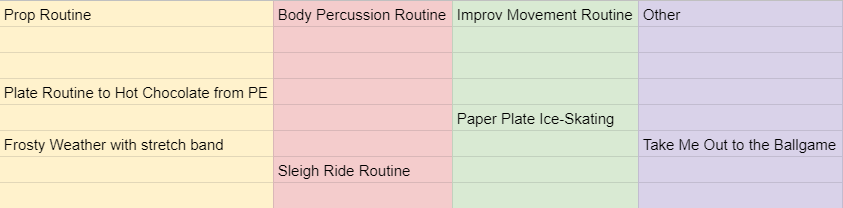
Hint: Adjust activities within the spreadsheet to use the same story with different grade levels, and when inspiration strikes – add your new ideas to the same spreadsheet to stay organized.
Turn a chant or song inspired by the book into a student composition opportunity. I use this type of read-aloud with students in second grade and above.
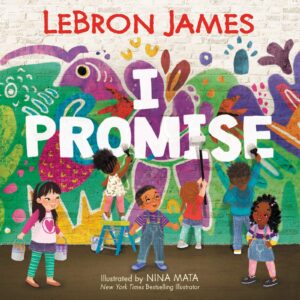
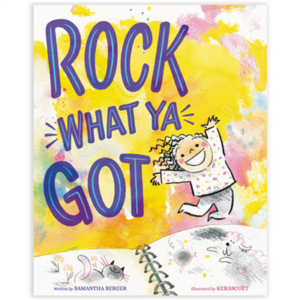
Creating poems allows students to internalize the book’s message and focus on their takeaways from the story. Additionally, students love to share their work and have pride in their compositions. Two of my favorite Rondo Read-Alouds are “Rock What Ya Got” by Samantha Berger and I Promise by Lebron James. Both have beautiful messages.
Adapting a read-aloud project into a virtual learning experience is a beautiful way to engage students online. Through experimentation, I have found these helpful tips.
Take pictures of each page and project them as a slide show on your screen.
Use an external speaker.
Test the video before presenting the lesson to students.
Expand your read-aloud and create outstanding programs. These are just a few ways you can turn your class lessons into dynamic music programs.
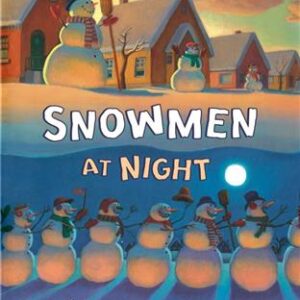
Read-alouds focusing on a curricular element, utilizing songs and activities students know and love while incorporating the National Standards. My students performed Snowmen at Night as a Winter Program, using many of the activities outlined in the spreadsheet above. Our focus element was “la.” The audience LOVED it! The program also provided opportunities to feature students as readers, individual classes special activities.
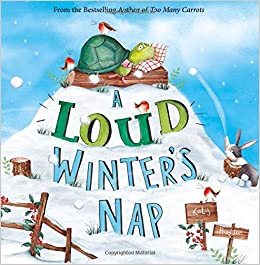
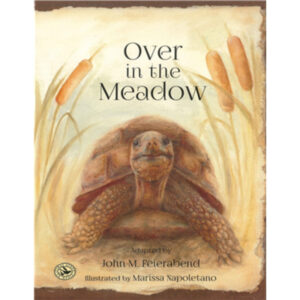
We also performed a read-aloud with the book Over in the Meadow for our spring program, including the Rockin’ Robin Plate Routine. We learned the routine in the fall, used it in the winter with the story A Loud Winter’s Nap, and brought it back for the spring program. Incorporating the routine with different books kept the routine fresh throughout the year, allowing students to practice without feeling the pressure of drilling a routine over and over.
Check out my other two articles Winter Read-Aloud and Rondo Read-Aloud. Each of these articles focuses on the specific books I mentioned above, including videos and Orff arrangements. If you are ready to start planning your read-aloud, I have shared my spreadsheets with you.

Contributor
Hello! My name is Emily Church, and I teach K-5 General Music in a small district in Central Ohio. I have been teaching for 12 years and love every minute. I attended Capital University for my Bachelor’s of Music and Masters of…
Discover more from Emily Facebook
 Twitter
 Pinterest
 LinkedIn
 Email
Email Print
Print