SUMMARY
Examine the process of teaching improvisation in this series of articles by Jeremy Howard. In part 6, we improvise using question and answer.
by Jeremy Howard






Examine the process of teaching improvisation in this series of articles by Jeremy Howard. In part 6, we improvise using question and answer.
by Jeremy Howard
In the last article, we moved past pre-literacy improvisational skills and started exploring the first steps in rhythmic and melodic improvisation. Now, let’s take what we know about timing, choice, and framework and apply that process to develop our students’ improvisational abilities. If you need a review, I discuss the three parts of the improvisation process in Part 2: The Process of Improvisation.
There are several activities that you will be able to test your memory about these processes on. Take the time to play along and enjoy the freedom of making your own music!
Improvisation is reading imagined music. Initially, students need a framework (beats, staff) with all the pieces (rhythms and pitches) disassembled to reconstruct mentally. With time, the teacher can gradually remove the visual cues allowing students to retain the framework in their mind.
Music Makers Improv Builders guide students through improvisation steps incrementally, allowing the student to read deconstructed music. The activity works with both rhythmic and melodic improvisation.
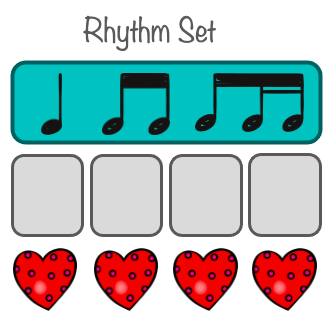
We begin by providing students with a known rhythm set and a visual of beats. The visuals allow students to see all the components they can use to improvise. I consider this activity a hybrid of reading and improvising.
During this stage, I play around with the components by allowing students to see the rhythm set or only to see the visual of beats, training them to “see and hear” the music in their mind. I use this strategy to help students move from the concrete to the abstract stage of development.
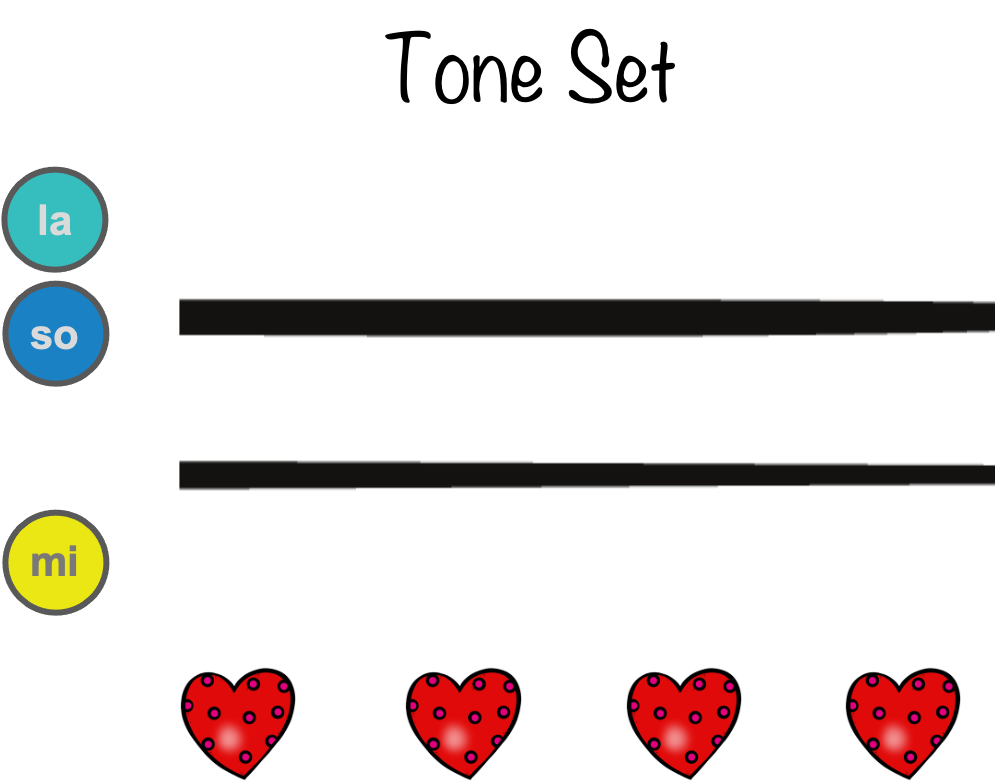
I use the same process when working with students on melodic improvisation. Instead of a rhythm set and boxes, I use a known tone set and the staff. Remember, the ultimate goal is to get away from the intermediate step of using the visual.
We can also use these Improv Builders in question-and-answer improvisation. Let’s explore each step as they relate to the three parts of the improvisation process.
Timing and independence develop together. We first want our students to respond on time with a different response. These expectations can be challenging for students if they are accustomed to echoing a pattern rather than responding with an original pattern.
Students instinctively know to respond to a sung pattern by echoing the same pattern back. To break this cycle, start a Song Puzzles Activity. In this activity, the teacher sings the first phrase of the song, and the students sing the following phrase. This type of thoughtful responding helps to break the habit of echoing.
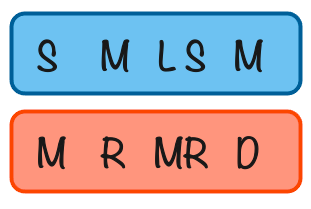
Next, launch into a melodic reading activity. Show two melody cards – the teacher sings the top card, and the students sing the bottom card. In this example, the last pitch of the question is the first pitch of the answer. Matching these pitches is done purposefully. Another method is to start the answer and the question with the same pitches but change the ending.
An extension of the above activity gives melodic choices for students to read – reinforcing responding on time. Providing patterns that are familiar and limiting the number of options is a great way to begin. The circled pitches of the question indicate that the answer needs to start with the same pitches.
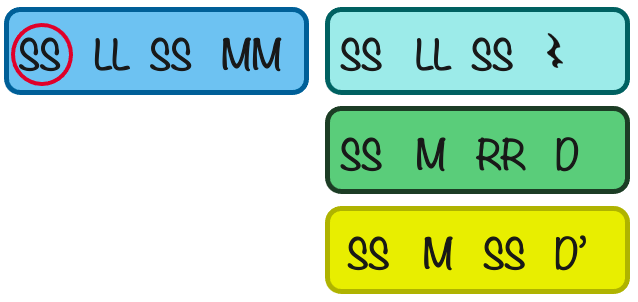
Before we remove all of the visual supports from students, we need to enter a hybrid reading and improvising stage. Providing students with a visual tone set, the staff, and the number of beats they are required to sing will support students when we expect students to sing an answer spontaneously. Keeping the tempo slow allows students to visualize the pitches on the correct lines and spaces as they sing.
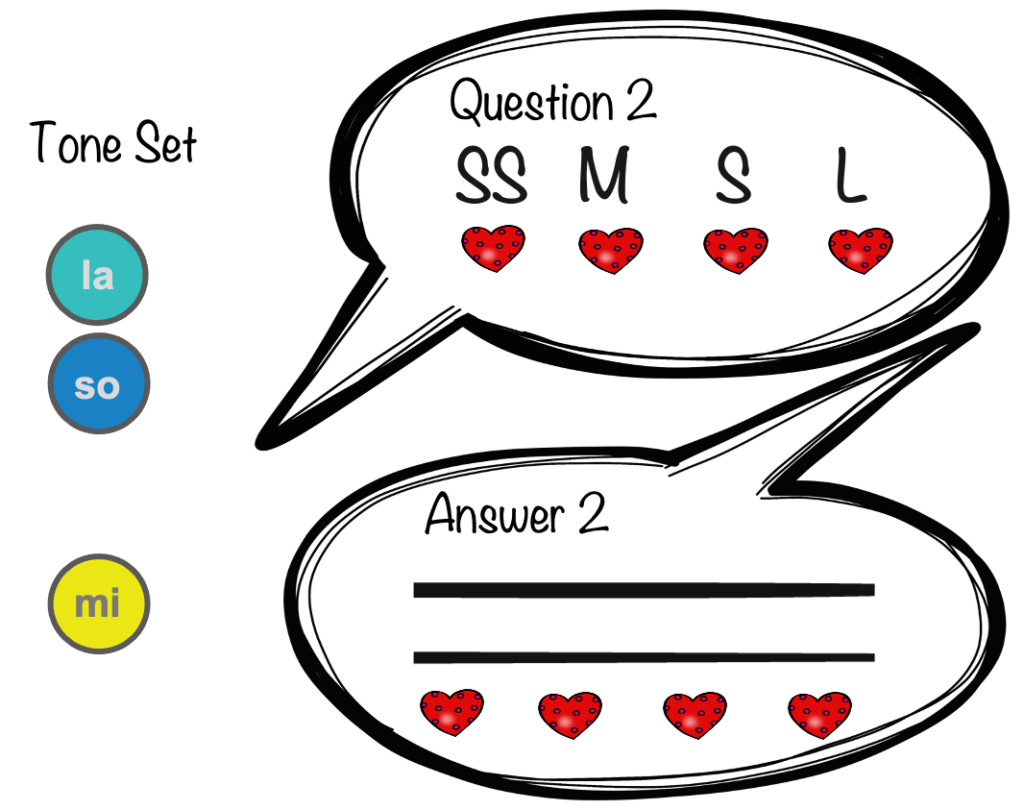
How to create a question:
Ideas for creating an answer:
Now that students (and you) understand the relationship between timing, choice, and framework using the question and answer format, we will expand this knowledge to include Rhythm and Melody Games.
Part 1: Learning the Language of Music
Part 2: The Process of Improvisation
Part 3: Warming Up with Pre-Literacy Improvisation
Part 4: Pre-Literacy Improvisation in Songs and Stories
Part 5: Pre-Rhythm and Pre-Melodic Improvisation
Part 6: Question and Answer Improvisation
Part 7: Rhythm and Melody Improvisation Games
Part 8: Putting the Puzzle Together

Contributor
Jeremy Howard received a BME in vocal music education and an MM with an emphasis in the Kodály philosophy from Morehead State University and is a certified Kodály educator. Additionally, he studied at the Kodály Institute in Kecskemet, Hungary. Mr. Howard serves as the 3 Year-Old through 8th Grade…
Discover more from Jeremy Facebook
 Twitter
 Pinterest
 LinkedIn
 Email
Email Print
Print