Students explore positive self-talk through rhythmic body percussion, adapting Keetman’s Rhythmnische Übung etudes. This lesson blends literature, reflection, and performance, progressing from simple affirmations to ensemble work, while strengthening musical skills and self-confidence.
by Zachary Edwards
Teacher Toolbox
Positive Self-Talk with RU
A practical guide to using Rhythmnische Übung etudes as rhythmic affirmations that boost student confidence, reinforce classroom values, and support musical learning through body percussion.
Building Positive Self-Talk Through Rhythm Body Percussion
Suggested Grades: 2-5
National Core Arts Standards
#1 — Generate and conceptualize artistic ideas and work. #2 — Performing on instruments, alone and with others, a varied repertoire of music. #3 — Refine and complete artistic work. #5 — Develop and refine artistic work for presentation. #6 — Convey meaning through the presentation of artistic work. #10 — Synthesize and relate knowledge and personal experiences to make art. #11 — Relate artistic ideas and works with societal, cultural, and historical context to deepen understanding.
Objectives
Perform body percussion affirmations with accurate rhythm and coordination
Respond to literature through musical expression and movement
Create personal affirmations using rhythmic speech patterns
Connect positive self-talk concepts to musical performance and community building
Materials
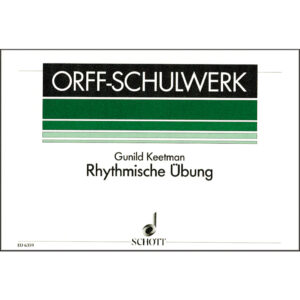
Book – Rhythmische Übung by Gunild Keetman, p. 9, #33
Book – I Am Enough by Grace Byers
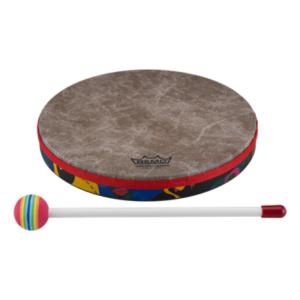
Unpitched Percussion Instruments
Overview
Students will explore positive self-talk through rhythmic body percussion using adapted etudes from Gunild Keetman’s Rhythmische Übung. This lesson connects literature, personal reflection, and musical performance as students learn to set affirmative text to rhythm, perform in canon, and transfer their learning to instruments. The multi-day approach builds from simple text and rhythm coordination to complex ensemble performance, reinforcing both musical skills and positive self-concept.
Suggested Teaching Process
Lesson 1: Introduction to Affirmations
Read I Am Enough by Grace Byers aloud to the class.
Discuss the concept of affirmations with students.
Ask: “What messages do we want to tell ourselves every day?”
Guide students to understand how positive self-talk builds confidence
Introduce the affirmation text adapted from RU, p. 9, #33:
I am limitless I am worthy and courageous I will value my voice and classmate’s voices too.
Practice speaking the affirmation with natural speech rhythm.
Teacher Note: Pay attention to natural speech prosody when setting text to rhythm. The affirmation should feel comfortable and natural when spoken.
Lesson 2: Body Percussion
Combine the affirmation text with body percussion movements from RU, p. 9, #33.
Practice body percussion without speaking the words aloud.
Encourage students to “say the words in their inner voice”
Teacher Note: This prepares them for canon work in the next section
Lesson 3: Canon Performance
Review the affirmation with body percussion to ensure student independence.
Introduce canon performance using a step-by-step approach:
Have students perform independently without teacher support
Tell students: “I am going to do something different, but don’t let it trick you. I want you to just keep on going!”
Begin the canon with teacher performing the second entrance
Stop and identify what happened (introduce the term “canon”)
Practice two-part canon with clear role assignments.
Perform again with teacher taking second part (students now understand the concept)
Trade parts: teacher starts, students perform second entrance
Divide class into two groups for two-part canon performance.
Place groups in circles on different sides of the room
Students perform in two-part canon while teacher moves around and assists as needed
Make sure everyone gets to try both parts
Challenge students by trying the canon in concentric circles or with the class all mixed up
Try the canon both with and without words
Teacher Note: The sequential approach to introducing canon helps students understand the concept gradually rather than being overwhelmed by the complexity.
Lesson 4: Instrumental Transfer
Review body percussion affirmation to establish the foundation.
Transfer body percussion to unpitched percussion instruments.
Use student input to choose appropriate instruments for each body percussion sound
Practice the affirmation with instruments, maintaining the same rhythm
Perform instrumental version in canon.
Apply the same canon techniques learned in Part 3
Focus on maintaining steady tempo and clear entrances
Teacher Tip: Start with simple instrument assignments (clap = wood block, stomp = drum) before allowing students to explore more creative timbral choices.
Extension
The affirmation concept can be extended in numerous ways to address additional learning objectives:
Daily Classroom Routine: Use the affirmation as a regular class opening to build community and positive mindset
Melodic Development: Add simple melodies to the affirmation text
Rhythm Building Bricks: Use the affirmation as a foundation for teaching specific rhythm patterns
Dramatic Play: Incorporate movement and staging to enhance the message
Student Composition: Have students create their own affirmations using different RU etudes
Cross-Curricular Connections: Connect to social-emotional learning curriculum or character education programs
References
Byers, G. (2018). I am enough. Balzer + Bray.
Keetman, G. (1970). Rhythmische Übung. Schott Music.
Zachary B. Edwards is currently pursuing a Doctor of Musical Arts in music education at the University of Houston. His current roles include graduate teaching assistant and instructor in music education at the University of Houston, as well as…







 Facebook
 Twitter
 Pinterest
 LinkedIn
 Email
Email Print
Print