As we dive into the new year with all its uncertainty, one thing that will be a reality for most music teachers is that at least some of our time this fall will be spent teaching online. Here are my top five suggestions for planning and leading successful virtual general music classes, specifically geared towards ideas for our younger K-3 students.
As we dive into the new year with all its uncertainty, one reality is that most music teachers will spend some time this fall teaching online. Most of us were thrown into the world of digital music education this past spring. Still, those who were creating recorded video lessons or take-home packets may be feeling a little overwhelmed by the prospect of synchronous music classes now that we are moving into a more structured and planned school year featuring online instruction.
Even for those of us with a bit of recent experience teaching over Zoom or Google Meet, I think we can all admit there is a lot to learn about best practices for creating engaging music classes! Although far from an expert, after twelve weeks of teaching live virtual music classes for my K-8 students this past spring I have learned a few things that may help us embark on this new challenge of engaging young musicians. Here are my top five suggestions for planning and leading successful virtual general music classes, specifically geared towards our younger K-3 students’ ideas.
1. Visibility
When teaching a class via a video conferencing app, it’s easy for both teachers and students to feel disconnected. It can be hard to create the feeling of collective music-making when everyone is on mute except for the instructor. My classes’ general rule was “cameras on, microphones off” unless responding or answering a question. I emphasized the importance of being visible in the camera so that we could all see each other.
Kodaly hand signs have always been a part of my general music warmups, and a small part of my teaching. Teaching via the computer was the perfect opportunity to emphasize the importance of showing the melody through hand signs (and for the littlest musicians, just using a hand to show high and low works great).
Teaching and reviewing musical concepts such as tempo, dynamics, phrasing, and pitch mapping all lend themselves to great visuals, so this is the perfect time to go back to basics and have fun with it! Some of my favorite synchronous lessons in my Kindergarten classes involve listening to music excerpts in various styles.
Students use their hands to demonstrate their understanding of the tempo, whether through dance moves, simple conducting patterns, or simple side to side hand movements. Seeing my students in multiple video boxes on the screen moving quickly in response to the William Tell Overture is exciting and engaging for everyone involved!
Nearly every song we use in our curriculum lends itself to rhythm and body percussion activities, which can be very visible and create significant opportunities for students to develop and share. I ask students to tap patterns on their desks, using their heads, clapping, or using a drum or instrument they have at home; anything visible in the camera is fair game! Internet lag times typically meant that our patterns weren’t exactly together, but the timing issue didn’t throw students off with the sound off. I could generally tell by watching closely who could follow along and who needed additional support. Most importantly, students were having fun, creating music, and were visibly engaged in collective music-making even if the only person they could hear was me.
2. Keep Assessment Authentic
Music educators who work with young students pride ourselves on our student performances, whether these occur in front of an audience or within the classroom. Xylophone ensembles, circle dances, or spending weeks adding movement and percussion to a favorite song are no longer possible.
It may be tempting to resort to worksheets and theory; I believe that my students learn best by creating music. Therefore, I want to assess their understanding by watching them make music, not by writing in the note values on a printed piece of paper. Is theory important? Absolutely yes – but I want my students to demonstrate what they know similarly to how they would if we were all together at school.
I assessed my students based on what I could see on our Zoom calls (such as rhythm patterns or short shared segments of singing) and when I needed something more, I set up an easy-to-use video sharing opportunity. Flipgrid was my savior in the spring. I’ve narrowed my standards’ scope and spaced out the video assignments I assigned (watching them does take some time). But I honestly just want to see my students making music, and I know that is what they want too.
3. Students Should Speak!
The need for kids to connect right now is strong, and it can be challenging while muted on a conference call! Now is the time to pull out all of the songs and rhythm activities where students can contribute answers and verses. Old favorites such as “Down By the Bay,” “Who Stole the Cookies,” and “Goin’ on a Picnic” are songs that allow for rhythmic improvisation and lyric writing.
Allowing opportunities for students to unmute and share even a word or phrase can boost engagement! I’ve found that songs that quickly grew tedious in the music classroom are winning my youngest students over right now. Even something simple like working on the rhythm or melodic structure for a new song can provide opportunities for students to unmute and share. Asking simple questions like, “Where should we keep the beat?” or “What animal sound should we use to practice the melody?”
Simple questions take on extra weight during an online music class. I carefully plan for these types of opportunities every day. it does take some practice and reminders, but even Kindergarten students can learn how to mute and unmute independently. Plan to provide some coaching on how to use these features on zoom when you first start.
4. Keep Kids Moving
Even though we cannot perform circle and partner dances, I’ve found many creative ways to keep kids moving, so they aren’t just sitting and staring at a screen. Having kids create motions to go along with a song that tells a story is always a safe bet.
Allowing students to unmute and share ideas while dancing and moving on the screen, using scarves (or dish towels, laundry, etc.), can look beautiful. It is a lot of fun watching each student in a square on the screen experimenting with moving the fabric across and towards the camera lens. A favorite of mine is when a song uses the word “down,” we all suddenly drop our heads down out of the camera frame. Kids think this is hilarious, it looks cool, and they want to try it again and again!
It’s also fun to pull out solo multicultural dances. I’ve found some great video resources with Bollywood and Ballet Folklorico movements that are engaging and accessible for young students when matched with upbeat music from around the world.
5. Give Yourself Permission to Recreate
The hardest thing I had to do while teaching virtually in the spring was deciding what was most important and what get rid of each class. Many of my favorite lessons do not translate in this new format – and that is okay. It allows me to reimagine some things and start from scratch in other areas, but by shaping my curriculum around lessons and activities that would work well on the screen, I permit myself to simplify.
I realized early on trying to force something to work because “I always teach that in first grade” wasn’t going to do my students (or me) any good. I may need to go back and teach or re-teach some things in later years, but giving myself that freedom allowed me to create lessons that would be joyful, fun, and engaging for my students over the computer.
I was disappointed that my first graders never learned all of the songs and choreography for our canceled grade level musical. Instead, we got to do some African drumming and dance the Macarena and then use both of those activities to demonstrate presto and largo. My sweet second graders didn’t get to play three-part harmony in a xylophone ensemble. Still, they did learn to sing “Bjornen Sover” in Swedish and then chose one of the parts to sing along with as they watched and listened to me sing it as a three-part round, created on the A Capella app.
I’m a music teacher who creates yearly plans, monthly plans, and weekly plans. I try to check every box regarding standards and modalities and learning styles – and I was amazed that within the restrictions of virtual music education, I found some freedom and lots of joy. I hope that you, too, can find ways to connect and bring some sweet music-making into the lives of your students this school year as well – even if we’re all stuck at home while we do it.
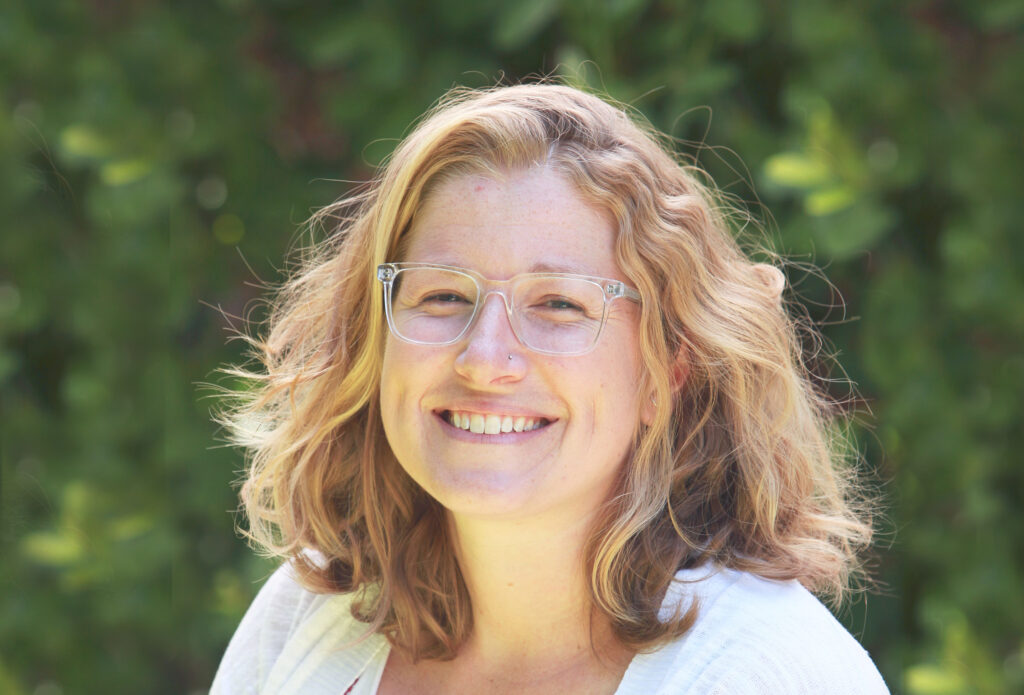
My name is Erika Batten Meeker and I have been teaching K-8 general music, band, choir, and guitar at Ross School in Ross, CA for twelve years. I completed my Master in Music Education at the Conservatory of Music at the University of Pacific…




 Facebook
 Twitter
 Pinterest
 LinkedIn
 Email
Email Print
Print