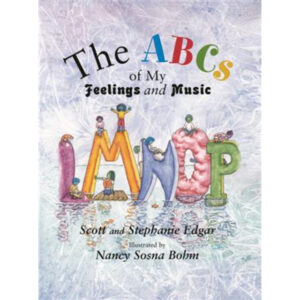
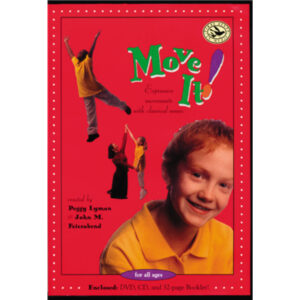
Enhance appreciation and understanding of music plus aid in transitions! By setting aside a few quiet minutes for active listening activities, you can boost your students’ listening skills and make learning about music more fun and engaging.
by Nicole Brown
Lesson Sketches
S.Q.U.I.L.T.
SQUILT stands for Super Quiet Uninterrupted Listening Time. To be a skilled musician later in life, we need to develop listening for specific elements of music in the songs we listen to at the general music level.
Embracing S.Q.U.I.L.T. in the Elementary Music Classroom
As elementary music teachers, we understand the profound impact that music can have on our students. One of the most effective ways to deepen their musical experience is through active listening activities, specifically S.Q.U.I.L.T. – “Super Quiet Uninterrupted Listening Time.” These simple, quiet activities encourage students to focus deeply on the music they are hearing, either independently or in small groups. Here is an overview of how to implement S.Q.U.I.L.T. and the numerous benefits it brings to the classroom.
What is S.Q.U.I.L.T.?
S.Q.U.I.L.T. stands for “Super Quiet Uninterrupted Listening Time.” It involves students dedicating time to listen attentively to a piece of music without distractions. During this time, they engage in quiet, focused activities that help them concentrate on the music. These activities can be as simple as drawing what they hear, writing reflections, or discussing the music in small groups.
Implementing S.Q.U.I.L.T. in Your Classroom
S.Q.U.I.L.T. activities can be seamlessly integrated with various lessons and units or can stand alone as dedicated sessions. Teachers can introduce S.Q.U.I.L.T. as a regular part of the classroom routine, setting aside a few minutes each day or week for focused listening. This time can be used to listen to a wide variety of music genres, helping students to develop a broad appreciation for different musical styles. By creating a consistent schedule, students will come to anticipate and look forward to these quiet moments, understanding their importance in the learning process.
One way to integrate S.Q.U.I.L.T. with other lessons is by aligning the listening activities with current topics of study. For instance, if the class is learning about a particular historical period, music selections from that era can be used. This not only enhances students’ understanding of the historical context but also makes the lesson more engaging. Similarly, when studying literature, students can listen to music that complements the themes, settings, or emotions of the texts they are reading. This multidisciplinary approach helps students make connections between different subjects, enriching their overall educational experience.
In addition to integrating with other subjects, S.Q.U.I.L.T. can also stand alone as an activity focused solely on music appreciation and critical listening skills. During these sessions, teachers can encourage students to engage deeply with the music by providing them with specific listening prompts or questions. For example, students can be asked to focus on identifying the different instruments they hear, noting changes in dynamics or tempo, or reflecting on the emotions the music evokes. After listening, students can share their observations and interpretations with the class, fostering a collaborative learning environment in which diverse perspectives are valued.
To further enhance the S.Q.U.I.L.T. experience, activities such as journaling or drawing can be incorporated. Students can keep a listening journal in which they write about their thoughts and feelings during each session, helping them to articulate their responses to the music more clearly. Alternatively, students can create visual art inspired by the music, allowing them to express their interpretations in a creative and personal way. These activities not only deepen students’ engagement with the music but also provide valuable opportunities for self-expression and reflection.
By thoughtfully incorporating S.Q.U.I.L.T. activities into the classroom, teachers can create a rich and varied learning experience that promotes deep listening, critical thinking, and a greater appreciation for music. Whether used alongside other lessons or as a standalone practice, S.Q.U.I.L.T. helps students develop important skills that enhance their overall educational journey.
Benefits of S.Q.U.I.L.T. in the Classroom
Enhances Musical Understanding
S.Q.U.I.L.T. helps students develop a deeper understanding of music by encouraging them to focus on its various elements, including melody, harmony, rhythm, and dynamics. By isolating these components and paying close attention to them, students can identify and appreciate the intricate details that make up a musical piece. This practice of attentive listening enables students to distinguish the different layers and textures within the music, leading to a more profound and nuanced appreciation. As they become more familiar with the fundamental aspects of music, their overall comprehension and enjoyment of musical works are significantly enhanced. This method not only cultivates a deeper connection with the music but also enriches the students’ listening experience, allowing them to engage with music on a more meaningful level.
Improves Focus and Concentration
Engaging in quiet, uninterrupted listening allows students to immerse themselves fully in a single task. This deep concentration helps them develop a heightened level of focus on their musical practice, enabling them to pick up on subtle nuances and details they might otherwise miss. Over time, this ability to concentrate intensely on music can translate into improved focus in other areas of their academic lives. The skills they acquire from such dedicated listening—such as patience, attention to detail, and the ability to maintain prolonged concentration—are transferable. For instance, students might find it easier to concentrate during lengthy reading assignments, comprehend complex mathematical problems, or engage more thoroughly in scientific experiments. Thus, the benefits of quiet, uninterrupted listening extend beyond music, fostering a disciplined approach to various academic challenges and enhancing their overall educational experience.
Encourages Emotional Expression
Music has a unique ability to evoke a wide range of emotions, and through S.Q.U.I.L.T., students can deeply explore and express their emotional responses to different pieces. This practice fosters empathy as students learn to appreciate the diverse emotional experiences of others and enhances their self-awareness by making them more attuned to their own feelings. Furthermore, regularly engaging with their emotions through music helps build emotional intelligence, enabling students to better identify, understand, and manage their emotions. This not only enriches their musical experience but also contributes significantly to their overall emotional growth and interpersonal relationships.
Develops Critical Thinking
Active listening promotes critical thinking by encouraging students to deeply analyze and interpret the music they hear. This process involves dissecting components like melody, harmony, and rhythm, and understanding their interactions within and across pieces. By making connections and comparing elements, students develop a nuanced appreciation of musical techniques. Additionally, discussing their interpretations with others hones their ability to articulate thoughts and consider different perspectives. Overall, active listening transforms students into thoughtful, analytical listeners, enhancing their critical thinking skills applicable to various academic and real-world contexts.
Fosters a Respectful Classroom Environment
S.Q.U.I.L.T. teaches students the value of quietness and respect for others’ listening experiences by fostering mindfulness and consideration. This practice helps students appreciate silence as a powerful space for thoughtful listening and reflection, enhancing their ability to focus deeply on music without distractions. By promoting undivided attention and respectful behavior, S.Q.U.I.L.T. creates a more respectful and focused classroom environment. Students learn to value silence, recognizing its role in deepening their musical understanding and contributing to a calm, attentive atmosphere beneficial for all areas of study.
Activity Ideas for S.Q.U.I.L.T.
Musical Storytelling
Have students listen to a piece of music and then write a short story or draw a picture depicting what they imagine while listening. Encourage them to focus on the mood, tempo, and instrumentation of the music.
Emotion Mapping
Provide students with a sheet of paper divided into sections representing different emotions (happy, sad, angry, calm, etc.). As they listen to a piece of music, they can mark which sections correspond to the emotions they feel while listening.
Instrument Identification
Play a variety of musical pieces featuring different instruments and have students identify which instruments they hear. They can create a list or draw pictures of the instruments they recognize.
Musical Journaling
Encourage students to keep a journal where they can write or draw their thoughts and feelings about various pieces of music they listen to. They can include details such as the title of the piece, the composer, their favorite part, and how the music makes them feel.
Composer Spotlight
Choose a composer and have students listen to several pieces by that composer. They can then research the composer’s life and write a short biography or create a timeline of important events.
Movement and Dance
Invite students to move or dance freely while listening to music. Encourage them to express themselves physically, responding to the rhythm, melody, and mood of the music.
Comparative Listening
Play two different versions of the same piece of music (e.g., a classical version and a jazz version) and have students compare and contrast the two. They can discuss differences in tempo, instrumentation, and overall style.
Musical Reflections
After listening to a piece of music, have students reflect on what they enjoyed about it and what elements stood out to them the most. Encourage them to share their reflections with the class or write them down in a reflection journal.
Create a Playlist
Have students create their own playlists of favorite songs or pieces of music. They can categorize the playlist by mood, genre, or theme and explain their choices.
Music and Visual Arts
Play a piece of music and have students create a piece of artwork inspired by the music. They can use various art materials such as paint, crayons, or collage to express their interpretation of the music visually.
Lyric Analysis
Choose a song with meaningful lyrics appropriate for elementary students. Have them listen to the song and then analyze the lyrics, discussing the message or story conveyed. Students can also illustrate key lyrics or write their interpretations.
Create a Soundtrack
Provide students with a scene from a movie or a short story and ask them to choose a piece of music that they believe would fit well as the soundtrack. They can explain their choices and discuss how the music enhances the mood or atmosphere of the scene.
Musical Scavenger Hunt
Create a list of musical elements (e.g., tempo changes, instrumental solos, specific rhythms) for students to listen for in a piece of music. As they listen, they can check off each element they hear and discuss their findings afterward.
Musical Pictionary
Divide students into pairs or small groups and give each group a piece of paper and a set of colored pencils or markers. Play a piece of instrumental music and have one student from each group listen while the others draw what they hear. Afterward, they can compare their drawings and discuss how they interpreted the music differently.
Musical Charades
Similar to traditional charades, but instead of acting out words or phrases, students act out the mood or feeling of a piece of music. They can take turns being the “performer” while the rest of the class guesses which emotion or concept they are portraying.
Musical Mad Libs
Create fill-in-the-blank stories where students can insert musical terms, instrument names, or composer names. After filling in the blanks, they can read the silly stories aloud and have a laugh while reinforcing their musical vocabulary.
Genre Exploration
Introduce students to different genres of music (e.g., classical, jazz, rock, folk) by playing examples of each. Have students discuss the characteristics of each genre and how they differ in terms of instrumentation, rhythm, and mood.
Create a Sound Map
Provide students with a large piece of paper and ask them to create a “sound map” while listening to a piece of music. They can draw lines or shapes to represent different musical elements (e.g., melody, harmony, dynamics) as they occur in the music.
Musical Math
Use music as a way to explore mathematical concepts such as rhythm, patterns, and fractions. Students can clap or tap along to rhythmic patterns and discuss how they can be represented mathematically.
Composer Trading Cards
Have students research famous composers and create trading cards with information such as the composer’s name, birthplace, notable works, and interesting facts. They can trade cards with their classmates and use them as a reference for further exploration of classical music.
Nicole Brown has been an elementary music educator for eleven years, passionately creating joyful and enriching musical experiences for her students. She believes music education is a powerful tool for personal and social growth, not just musical proficiency.
In her…







 Facebook
 Twitter
 Pinterest
 LinkedIn
 Email
Email Print
Print