SUMMARY
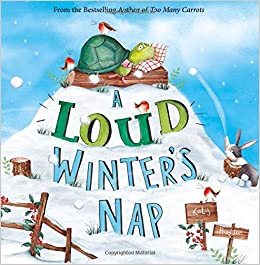
Lovable Tortoise just wants to settle down for his nap and is interrupted by his woodland friends who invite him to join them in their winter fun with their instrument sound effects. Download this free sound story lesson.
by Claire Daubney





SUMMARY
Lovable Tortoise just wants to settle down for his nap and is interrupted by his woodland friends who invite him to join them in their winter fun with their instrument sound effects. Download this free sound story lesson.
by Claire Daubney
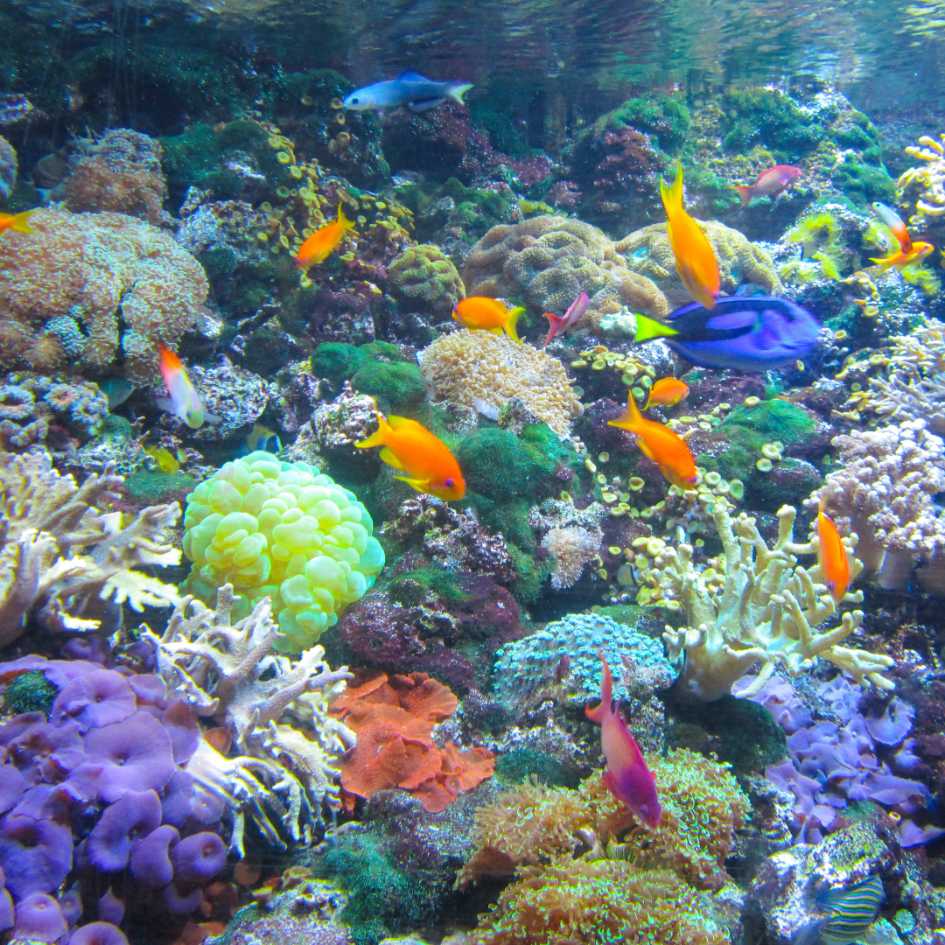
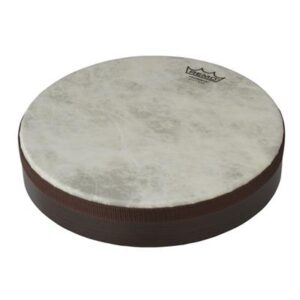
Imaginations ignite as students explore and move through the ocean depths with the music “Aquarium” from Carnival of the Animals and the picture book Way Down Deep in the Deep Blue Sea.
by Sarah Fairfield
Suggested Grades: K-2
National Core Arts Standards
#1 – Generate and conceptualize artistic ideas and work.
#5 – Develop and refine artistic techniques and work for presentation.
Objectives
Materials
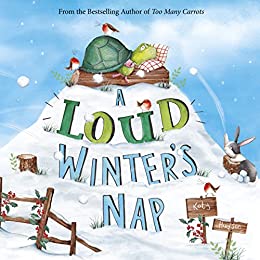
What a delightful sound story lesson we find in Katy Hudson’s “A Loud Winter’s Nap.” Lovable Tortoise just wants to settle down for his nap (hibernation – science connection!) and is interrupted by his woodland friends who invite him to join them in their winter fun. Each of Tortoise’s friends keeps him from sleeping with the noise of their activities, and included in the text of the book are lovely sound words that inspire musical integration.
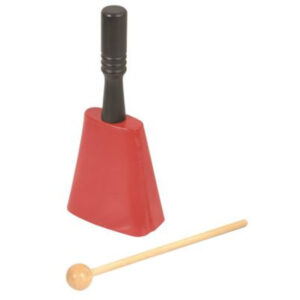
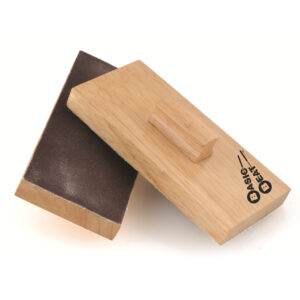
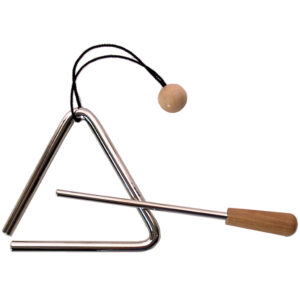
By allowing students to explore the instruments on their own, you have the opportunity to check in with individuals who need a re-teach with regards to proper playing technique. Students also have ownership in their contribution to the final product and appreciate being creative in the music-making process. Plus, there is little risk involved since there is no pattern to play “wrong,” while the reward of playing the instruments is very high.
Hudson, K., & Mayers, C. (2017). A Loud Winter’s Nap. Fairfax, VA: Capstone Young Readers
Contributor
Claire Daubney is in her 26th year of teaching and her 18th year at Bluffsview Elementary School in Worthington, Ohio. Claire earned her Master’s of Science in Education with an emphasis in Curriculum, Instruction, and Assessment from Walden University and her Bachelor’s of…
Discover more from Claire Facebook
 Twitter
 Pinterest
 LinkedIn
 Email
Email Print
Print