SUMMARY
Ideas, suggestions, and reflections on adapting movement activities for the music classroom during a global pandemic.
by Claire Daubney





Ideas, suggestions, and reflections on adapting movement activities for the music classroom during a global pandemic.
by Claire Daubney
It’s fair to say that the COVID-19 global pandemic has turned the education world upside down and has left more questions than answers for many educators, like myself.
Movement in music class is essential to the little people with whom I spend my days and to me. Even when they don’t feel like it, getting up and moving to music elevates my students’ mood, so I knew that I wanted to use movement in my lessons this school year frequently.
I feel obligated to provide my students with movement opportunities since they are stuck staring at a computer screen while learning remotely or stuck at their desks in their classrooms during hybrid learning in our building.
Reimagining music class movement, both on a computer screen and physically distanced from one another, can be challenging. Still, I have six ideas and practical suggestions that might make the task a bit easier.
We all living in a six-foot bubble because of social distancing, so make your movements smaller or in place. Modify large circle dances for the whole group to smaller individual circles around an object or floor marker. Choose dance tracks used for single circle or single partner dances; even without a partner, students can still perform most of the movements themselves.
Use an imaginary partner! Practice hand-clapping games and partner dances alone, imagining that you have a partner. If students are learning at home, they could invite a sibling, parent, or caregiver to join them. Students can also dance with their favorite stuffed animals as their partners. Or, explore ways to use body percussion in place of traditional dance steps.
Create and teach new movements for sections of dances that need altering from the original. Engage students in reimagining the movements, allowing for student-led suggestions and creations. Increase movement vocabulary for your students by discussing locomotor and non-locomotor movements, building a bank of options from which students can create.
Don’t throw out your favorite recordings or valuable resources from your favorite movement masters. The steps may not be the same, but students can still be moving to the same music, just in a new way. Keeping the music the same allows for cultural connections to music from all around the world.
Show video examples of dances in their original form and/or talk about what the dance would look like if they could hold hands or be closer to one another. Honor the dance in its original form, preserve as much of it as possible, utilize the original recordings, and explain to students why some parts need modification.
Use the dances you choose to teach as an opportunity to discuss the musical form. Practice critical listening skills to identify the piece’s form: use hand signals or static body shapes to indicate when students hear different music sections. Understanding the structure of the music will help students while dancing.
Make connections to other subjects, like visual arts, through movement. Have students create a listening “doodle” (or listening map) that uses simple shapes, lines, and colors to depict their bodies’ actions and the form of the dance.
Drawing allows time for thinking about movement and dance in a completely different way, which may be more accessible to some learners. It also gives students another medium (movement and visual art) to show what they know about the music.
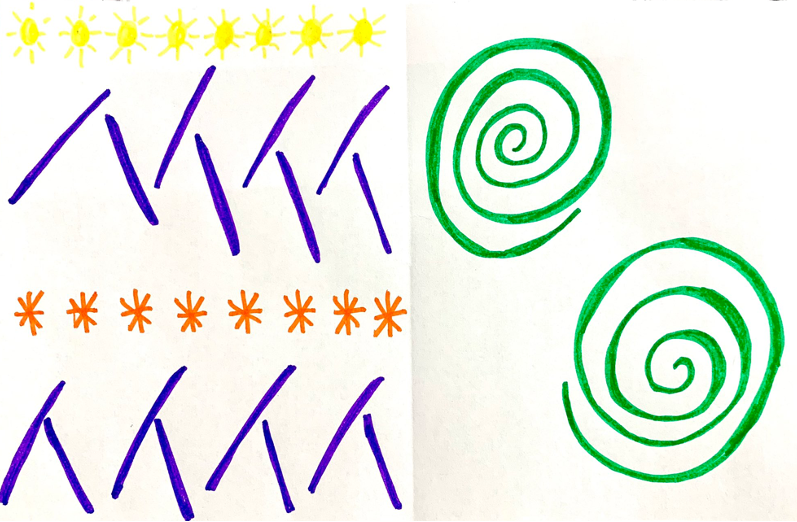
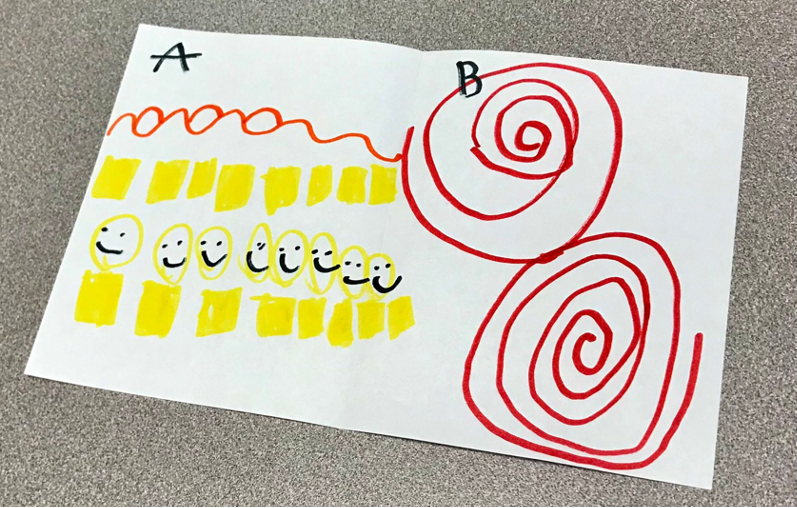
Brainstorm how to overcome limitations. What if a student could not move from their chair during a movement lesson? How could that student still demonstrate their understanding of the form of the song and the dance movement?
My students and I have enjoyed using our hands and fingers, small stuffed animals or other objects, and scarves to show the dances we have learned in class in a new way. I was inspired by one of my students while watching her sitting in the car on the way to an appointment, strapped in with her seatbelt, and unable to move.
The class brainstormed ways for her to participate, the students enjoyed the challenge. I tell my students this story every time I have taught a folk dance this year. Then, the students and I engage in active discussions about how we can overcome not being able to do dances traditionally.
Nothing about teaching during a global pandemic can be the same as it once was. Movement in music class is no exception to that. But it is possible, with creative thinking and reimagining the possibilities, to preserve the music and integrity of our beloved folk dances and movement lessons.
Movement is vital to a child’s well-being, and we owe it to our students to provide them with as many opportunities to express themselves through movement as we can. It will just look a little different for now until we can join hands in a circle once again.
Contributor
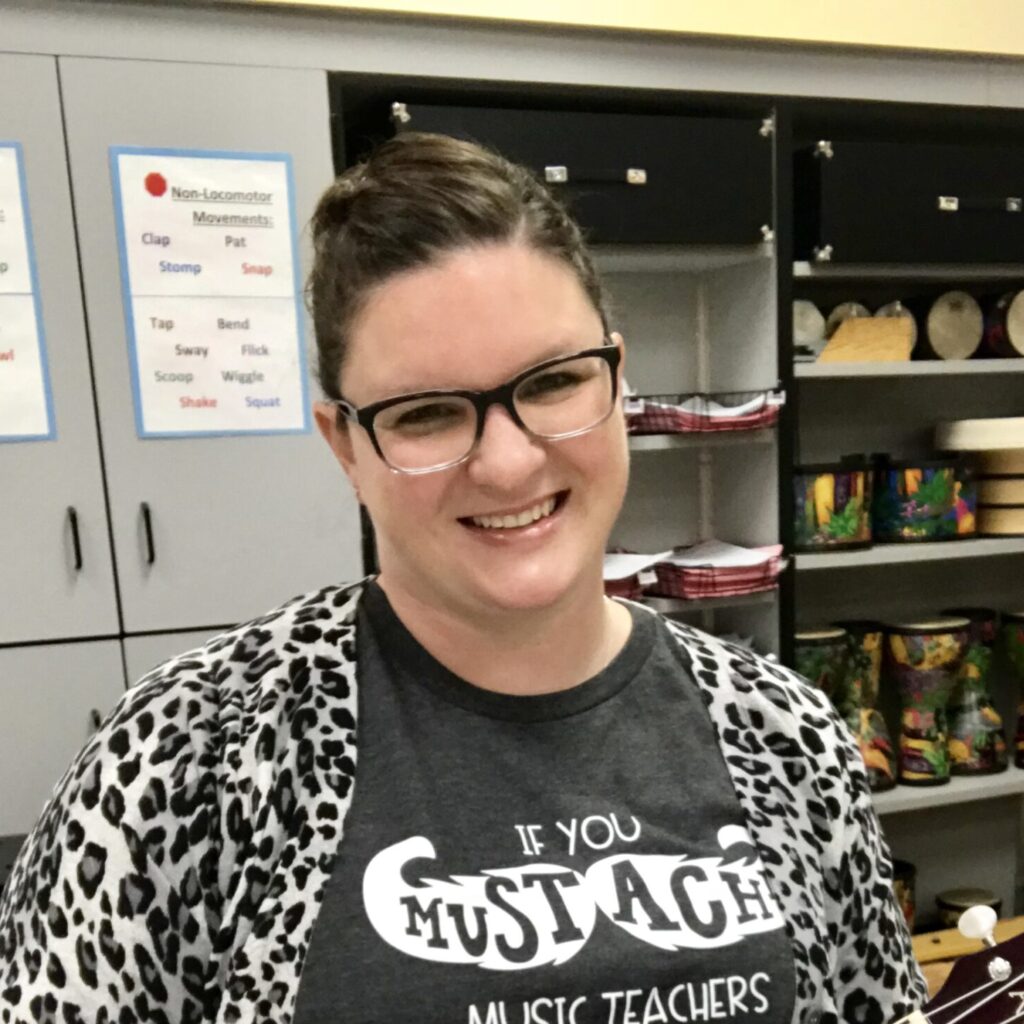
Claire Daubney is in her 26th year of teaching and her 18th year at Bluffsview Elementary School in Worthington, Ohio. Claire earned her Master’s of Science in Education with an emphasis in Curriculum, Instruction, and Assessment from Walden University and her Bachelor’s of…
Discover more from Claire Facebook
 Twitter
 Pinterest
 LinkedIn
 Email
Email Print
Print