SUMMARY
Longing to travel and curious about international teaching opportunities? Read two different perspectives on music teaching abroad.
by Calyanne Crouch





Longing to travel and curious about international teaching opportunities? Read two different perspectives on music teaching abroad.
by Calyanne Crouch
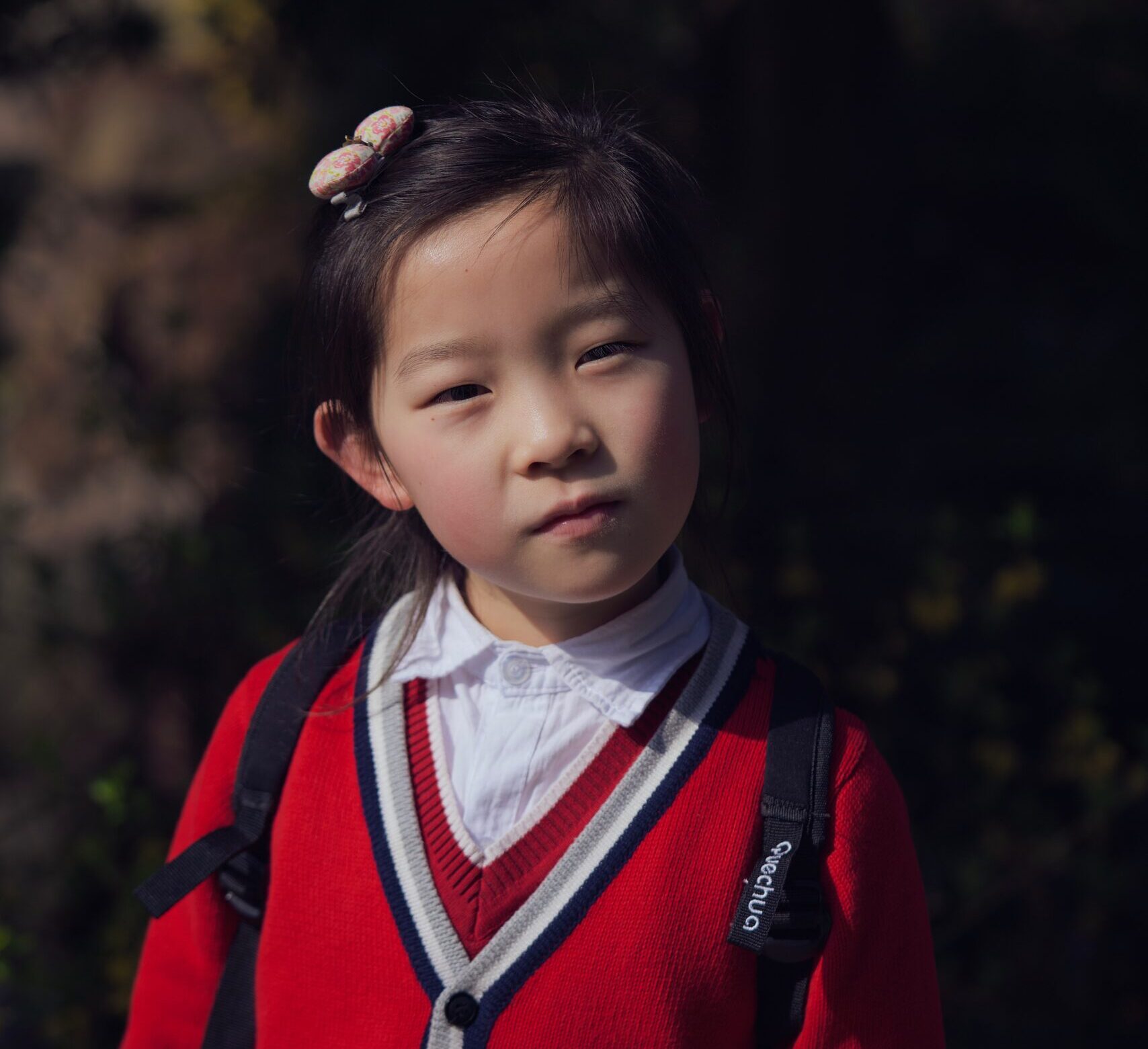
Longing to travel and curious about international teaching opportunities? Read one of two perspectives.
by Bernadette Chamberlain
Have you ever wished that you had more freedom to travel on a teacher’s salary and schedule? Wanted to immerse yourself in a new culture? Yearned for something new and exciting but felt too specialized in your expertise to change careers?
If you answered yes, teaching in an international school might be an option for you! With experience from Africa, Asia, and Latin America, authors Bernadette Chamberlain and Calyanne Crouch share their unique perspectives and answer some of your frequently asked questions about teaching general music abroad.
What differences are there in methodology between the U.S. and the rest of the world?
I find a lot more autonomy in the curriculum, which can be both daunting and exciting! Following your chosen standards is always helpful, and depending on the country, you may have to integrate multiple sets of standards or curricula.
Specific pedagogical practices speak to each teacher, so, logically, you will bring these into any general music teaching situation. In many romance languages, such as Spanish, they use fixed-do when reading music instead of letter names.
Do you add music from the culture of the community? If so, how do you work it into your class curriculum?
Highlighting authentic music from your students’ cultures is vital in all schools, not just abroad! Incorporating this music while teaching in an international school affords an excellent opportunity for cross-curricular or inquiry-based learning. Local holiday celebrations and school assemblies are classic performance opportunities, but using content authentic to your students’ cultures also provides a beautiful basis for creative improvisation and composition.
What resources would you recommend to help include more music from your location into the classroom?
While abroad, the local staff is a wonderful resource! Public and private local schools may use music text or workbooks available in school supply shops to provide a helpful reference.
The number of quality resources available in the U.S. – notably those featuring the music of Latin America, has dramatically increased over the last few years! With any resource, it is imperative to do your independent research to authenticate it. Always consider who the author/publisher is, who the target audience is, and the resource’s aim before incorporating it.
What are the biggest benefits of teaching internationally, and what would you consider drawbacks?
The vast majority of those teaching abroad chose to do so because it makes travel so much more accessible. Many international schools are in lower cost of living areas, and teachers can use a more significant portion of their salaries for savings, travel, etc., than in the U.S. For me, the biggest drawback is the distance from family and friends. Intentionally considering the geographic location was helpful for this – I chose to be generally in the same time zone as loved ones, and others have specifically chosen locations for ease of flying in and out.
How does the work-life balance compare to teaching in schools in the United States?
Work-life balance can vary hugely from school to school and is generally reflective of the local culture. Just like the U.S., boarding schools abroad often have greater demands on your time. Some schools provide housing for foreign teachers on or near campus, making it harder to step outside the work atmosphere, but that is not always true. I do find that planning time is usually adequate, and I don’t take work home.
Do you notice any difference in teaching children from other countries?
I literally could not have said it better! As your students get older, the language barrier becomes less of an issue as often international schools have predominant English instruction from kindergarten or younger.
Did you need to adapt your teaching methodology to teach abroad?
I agree with Bernadette’s point about nursery rhymes. Swapping them out with local rhymes, or having students create their own, adds authenticity to your classroom. Examining the time signatures of local nursery rhymes can help you find out what resonates most with your students as different cultures favor compound over simple time signatures or even give more accessible access to mixed meter!
While our methodologies are ever-evolving, you should not expect to completely change your methodology for a new position; instead, the new position will slowly impact how you approach teaching in general.
Do you have to teach in or speak a foreign language to work abroad?
This is not a requirement! The jobs you are looking for will be teaching students music in English. However, having a working knowledge of the local language can only help you. Understanding pronunciation rules are essential to add authentic music into your class, but you can definitely pick it up once you have already moved. Many schools offer language courses or tutor recommendations for new hires.
What qualifications do you need to work abroad?
Having a valid teaching license in your home state is the most important universal requirement. Schools often ask for at least two years of experience in the classroom, which can be very helpful if they are explicitly implementing a U.S. curriculum. More “desirable” locations may also ask for master’s degrees or certification or experience in the I.B. Primary Years Program.
How can one apply for jobs that are outside of their home country?
The traditional way would be to attend a recruitment fair, though many have converted to an online format in this pandemic landscape! Full-service recruiters, such as Search Associates, ISS-Schrole, and The International Educator (TIE), help you market your skills and target schools that would be a good match. Some fairs operate more independently throughout a single weekend, such as the University of Northern Iowa Overseas Placement Service for Educators or the Association of American Schools in South America (AASSA) annual fair. Whichever method you use, talking openly with current or former teachers of that institution is a great way to find a school that fits right for you.
How can teachers in the U.S. incorporate different cultures into their own curriculum; What resources can you recommend?
Fortunately, there has been a significant increase in the availability of quality and authentic materials to incorporate Latin American culture into the music room!
With any resource, consider the origin of the author and publisher, the target audience, the history of the content, and the purpose. Available resources include the books Vamos a Cantar collected by Faith Knowles and Quien Canta Su Mal Espanta by Sofia López-Ibor.
Specifically in Honduras, the music of Guillermo Anderson is a wonderful resource for movement and fingerplays. When seeking out professional development opportunities, prioritize sessions held by authentic sources that represent your student population. Decolonizing the Music Room is an important place to start!
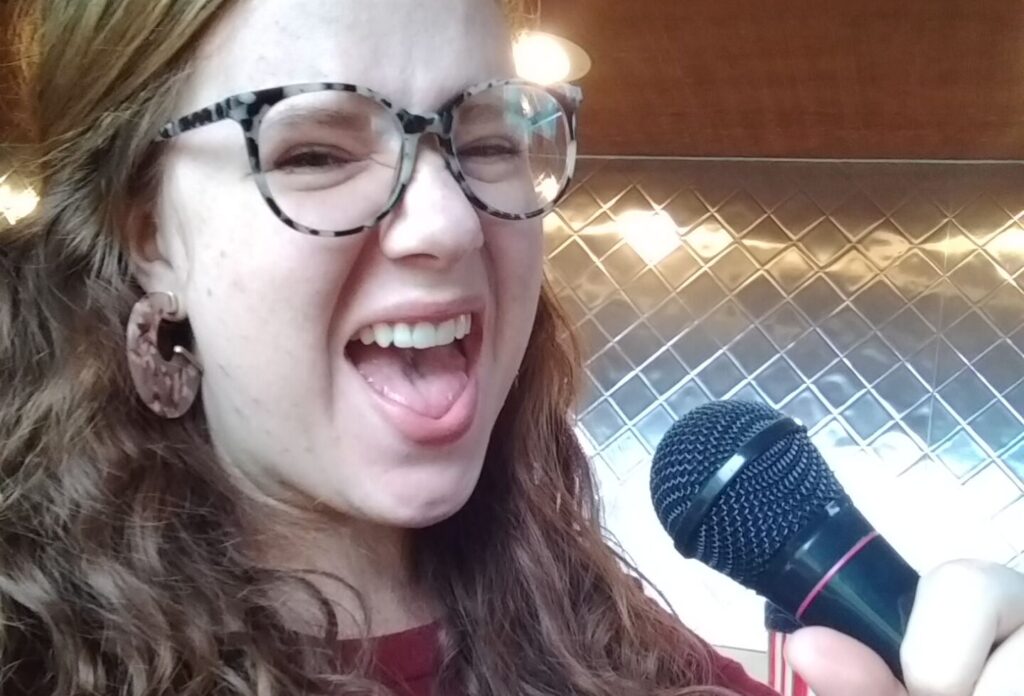
Contributor
Calyanne Crouch teaches 3-5th grade General Music and leads the Visual and Performing Arts team at the American School of Tegucigalpa, in Tegucigalpa, Honduras. She also coordinates the Houses system and directs the extracurricular Honor Choir program. Her percussion performance background…
Discover more from Calyanne Facebook
 Twitter
 Pinterest
 LinkedIn
 Email
Email Print
Print