SUMMARY
Consider teaching a different folk dance every month. Tips on how to add this new routine to your music curriculum.
by Kristen Buda





Consider teaching a different folk dance every month. Tips on how to add this new routine to your music curriculum.
by Kristen Buda
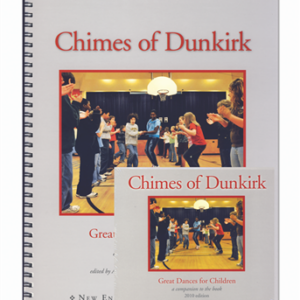
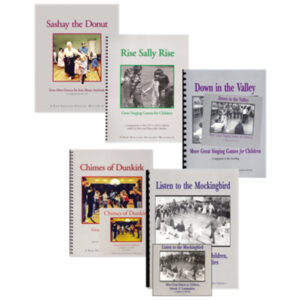
Dancing is one of my favorite parts of teaching music, and I always want to work more dancing into my classes. Two years ago, my school changed our schedule so that Fridays were on a different rotation than the rest of the week.
Perfect – Dancing Fridays! And what could be even better than to use that time to learn about folk dancing? I started by looking at the Heritage Months and adjusted a bit to focus on a different country or culture every month.
August: United States
September: Bolivia
October: Mexico
November: Indigenous People
December: Israel
January: China
February: United States
March: Ireland
April: Pacific Islands
May:
When watching videos, prompt students to share what they notice: clothes, instruments, type of movement, empowering students to share their own cultures and using this knowledge to compare and contrast with the new culture. Provide examples of language that can be nonjudgmental: “I noticed” is a great sentence starter. One of my rules is that if we wouldn’t say it to the performers in person, we don’t say it in our classroom either.
My schedule makes Folk Dance Fridays easy. However, I believe even without this schedule, I would keep my monthly routine. I suggest adding different countries into the rotation every school year, exposing students to many different cultures throughout their elementary years.
I hope you will consider adding this routine into your curriculum – and I hope your students enjoy dancing as much as mine do!

This article was previously published by Music ConstructED on 7/15/2021.

Contributor
Kirsten Buda teaches K-5 music in Western Colorado. She attended Regis University and graduated with a Bachelor’s in Fine Arts in Music and a minor in Education. Kirsten is a Certified Level III Orff Instructor and looks forward to…
Discover more from Kristen Facebook
 Twitter
 Pinterest
 LinkedIn
 Email
Email Print
Print