SUMMARY
Learn some best practices and resources to help expand your students’ musical views of the world.
by Kelsey Helton





Learn some best practices and resources to help expand your students’ musical views of the world.
by Kelsey Helton
Music teachers have the best job. We get to show our students snapshots of music from around the world. We can watch Indigenous Americans dance, participate in African drumming, listen to Celtic flute music, and experience countless other cultures all from our classrooms. We can travel anywhere with the click of a mouse and see real people making real music.
I have always been fascinated with how cultural traditions interact and influence each other. I grew up in rural Kansas, where we focused on folk and country music from the pioneers, which was part of our upbringing. When I student taught in the Kansas City area, my elementary school was built near the Wyandot National Burying Ground, so my cooperating teacher included the history of the Wyandot tribe in her curriculum.
When I moved to Houston, I was excited to learn about the vast cultural experiences Texas has to offer. Most people believe the Country music is the predominant scene in Texas, but you might be surprised to learn that there is a heavy Southern and Cajun influence. Additionally, the combination of Mariachi, Tejano, and Conjunto and the different Asian cultures make Houston a fantastic place to live. Every time I open the events calendar, it seems like there are thousands of opportunities to be immersed in different cultures.
More recently, I’ve become interested in learning more about my own heritage. My mom’s family is Scandanavian, and my dad’s family is German and Russian. I attend a German Lutheran church and am involved in our annual Oktoberfest. It has been such a blessing to learn about my culture authentically and learn from folks who lived in that area.
I am an advocate for learning about your area’s history and traditions while also serving the needs of your students in your classroom. Ask your kids about their cultures and incorporate elements into lessons as appropriate.
Understandably you cannot teach everyone’s traditions in the brief time you have your students, but if they come out of your class with a little better understanding of the world, I consider it a win. Some excellent articles and resources have come out in the past few years about teaching about culture in a meaningful and non-appropriated way. Do your research, and you will learn many cool things!
If you live in an area with access to cultural centers or history museums, reach out to their education department and see how they can assist your classroom. They will often be excited to do a presentation or loan an educational artifact box to the cause. They may also be able to connect you with someone in your community that would be willing to show the kids their traditional dress or dance, whether in person or online.
Take advantage of these resources, especially since many are free to youth or educational institutions. If you do not have anything local, consider checking out the Smithsonian Institute’s Folkways Collection. It is a collection of songs and videos from authentic performances. Beware, they have some fascinating stuff so you might jump down the world music rabbit hole.
In the past, I have had bagpipers, local drummers, and Folklorico dancers show off their talents and share their cultures with my students. All it took was a little networking and creative scheduling. The students are awestruck by talent in their backyard. Not only is a demonstration great for your school, but it inspires the kids to keep their own cultures alive.
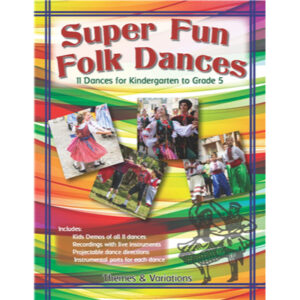
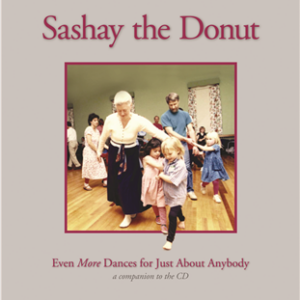
Some of my greatest hits for world music in the elementary classroom include the following songs and dances. This list changes as innovative ideas come around, but these activities are meaningful and authentic, if taught the correct way. Many are partner dances, which I have not been able to teach recently, but I show videos of the dance and talk about the genre of music that plays in the background.
I challenge you to research your area’s cultural groups to see how you can bring some new traditions to your music room. Our local communities have so much to offer. Go and check it out!
Davis, A., Brass, M. C., Amidon, P., & Amidon, M. A. (2011). Alabama gal: Nine never-fail dances & singing games for children. GIA Publications.
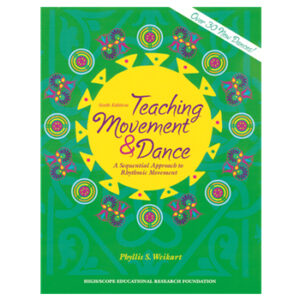
Weikart, P. S. (2006). Teaching movement & dance: A sequential approach to rhythmic movement. High/Scope Press.
Contributor
Kelsey Helton is an elementary music teacher in the Dallas-Fort Worth area. Kelsey currently teaches PreK-5th grade music in Grapevine-Colleyville ISD and directs an after-school choir, the Singing Stars, and directs the all-school musical. She is also a musician at…
Discover more from Kelsey Facebook
 Twitter
 Pinterest
 LinkedIn
 Email
Email Print
Print