SUMMARY
Connecting with students in a culturally responsive manner includes listening to, learning about, and exploring their music – including Hip Hop!
by Ashley Porter





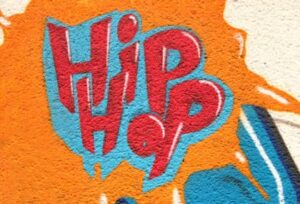
Connecting with students in a culturally responsive manner includes listening to, learning about, and exploring their music – including Hip Hop!
by Ashley Porter
In today’s music, it’s easy to feel like we are always behind the times. However, to connect with our students, we must embrace current music, specifically hip-hop. Hip-hop is exceptionally musical—from the MC-ing to the expressiveness of the beats and lyrics, to the sampling.
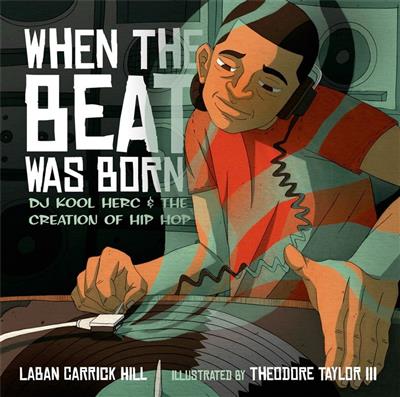
When the Beat was Born, traces the history of Clive Campbell, credited as a pioneer of hip-hop. Born in Jamaica, Clive moved to the Bronx, where he became known as DJ Kool Herc. He would plug in his two turntables and create a new musical art form calling out to his friends over the beat and MC the party from his basement. The music he made will later define a culture and transform our world. (Hill, 2013)
$19.99Add to cart
Lyrics in hip-hop are an essential factor in expressivity. The lyrics in Tupac’s “Dear Mama” express intense emotion, similar to those found in African American Spirituals. Africans stolen from their homes, forced into slavery, forbidden from speaking in their native tongues, communicate their longing for home and freedom through song.
Beats, the instrumentals in hip-hop, also find their roots in history. West African tribes use different drum beats to communicate with other tribes. Questlove (Ahmir Thompson), the drummer for The Roots on The Tonight Show, compares drum beats to speaking. He explained playing a “simple drum beat with an exclamation point at the end of the sentence” to a friend in 1987. The beat, while instrumental, also expresses the emotion of the song.
The final major piece to hip-hop is sampling. Sampling is the reuse of a portion (or sample) of a sound recording from another recording. These melodies, rhythm, speech, and drum breaks are manipulated and twisted into a new song. Questlove put it best, “Hip-hop is audio pop art—just a collage of other ideas.” (Thompson, 2005).
“The musicians resumed with a different song, this one with no words. It’s simple repeated melody at first sounded dissonant to Sloane. Still, after a few minutes, he and his companions became entranced by the rolling rhythm of the dancers and clappers, the counterpoint of the gourd beaters, and the repetitious melody, all locked together. Time flew by until this piece came to its end.“ (Rich, 1993)
This scene took place in 1688 on a Jamaican plantation. Doesn’t this sound like hip-hop? Is it any surprise that this rich musical history influenced Clive Campbell – aka – DJ Kool Herc, 300 years later? More amazing to me is that this kind of music has been around since the time of Bach?
When we remember our purpose, it will keep our actions in line.
Franklin J. Willis says it best – “Be the D.J. of their lives, of their music, not yours!” (Willis, 2020) We are music teachers because we want to impact the lives of our students. Incorporating hip-hop into our classrooms is a tangible way to make authentic connections with our students.

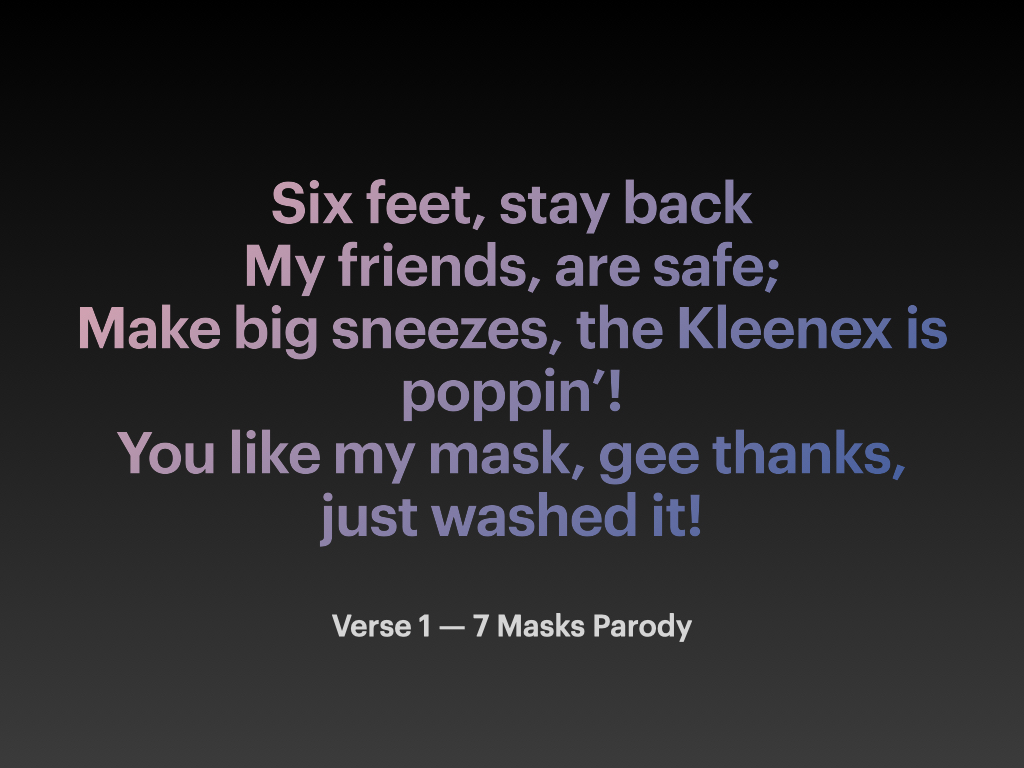
Here are six ideas on how to integrate hip-hop into your general music classroom. Each of these ideas relates directly to the four domains of the 2014 General Music National Standards.
I divided my 5th graders got into small groups. Each student was assigned a role, including; performers, lyricists, choreographers, videographers, and directors (Connect). Each group wrote their raps! Now we have a jumping-off point for future parody!
Next, the students identify what activities they do in the Fall and write their ideas down. Then I play an instrumental beat from YouTube and have students attempt to rap their words. Do not be fooled—rapping is hard!
I ask the students what they should use for the hook (aka- the chorus). Students then share their ideas and then translate their ideas to an instrument or dictate the board’s notes. The hook is the busiest point in the song. It is typically 8 bars long and is usually repeated three to four times throughout the song.
Eventually, students can each write their own. During this creating process is when you hope your administrator walks in!
For more information about the Song Structure of Rap – Here is a short explanation.
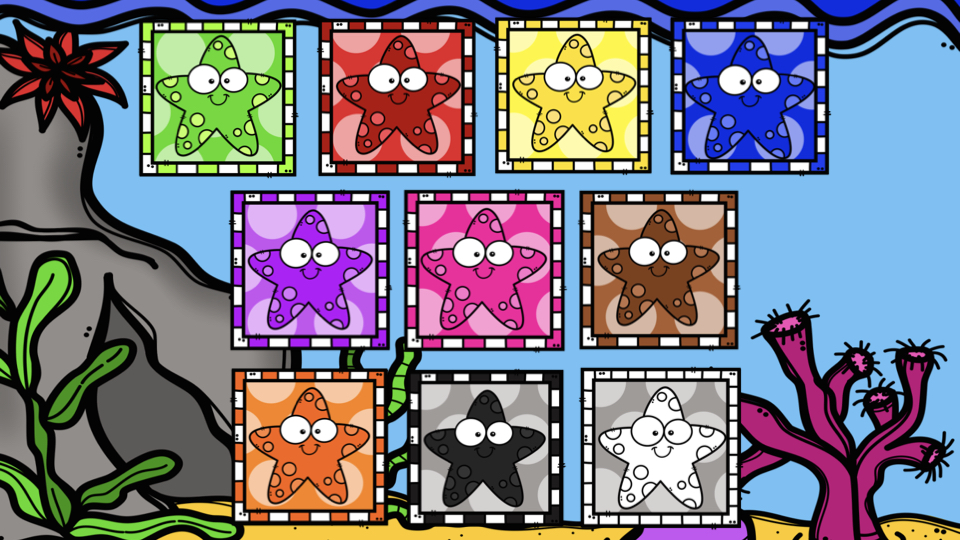
First, the teacher calls out different colors or post them visually on the board. Red is stop (I say Pose!), Green is go, Yellow is go slow. There are many different colors, and I assign each to represent a different movement.
The teacher becomes the DJ while the students move to the beat. With my older kids, grades 3-5, I play all kinds of music from a Spotify Playlist. When the music stops, the students’ pair-share about a prompt written on the board.
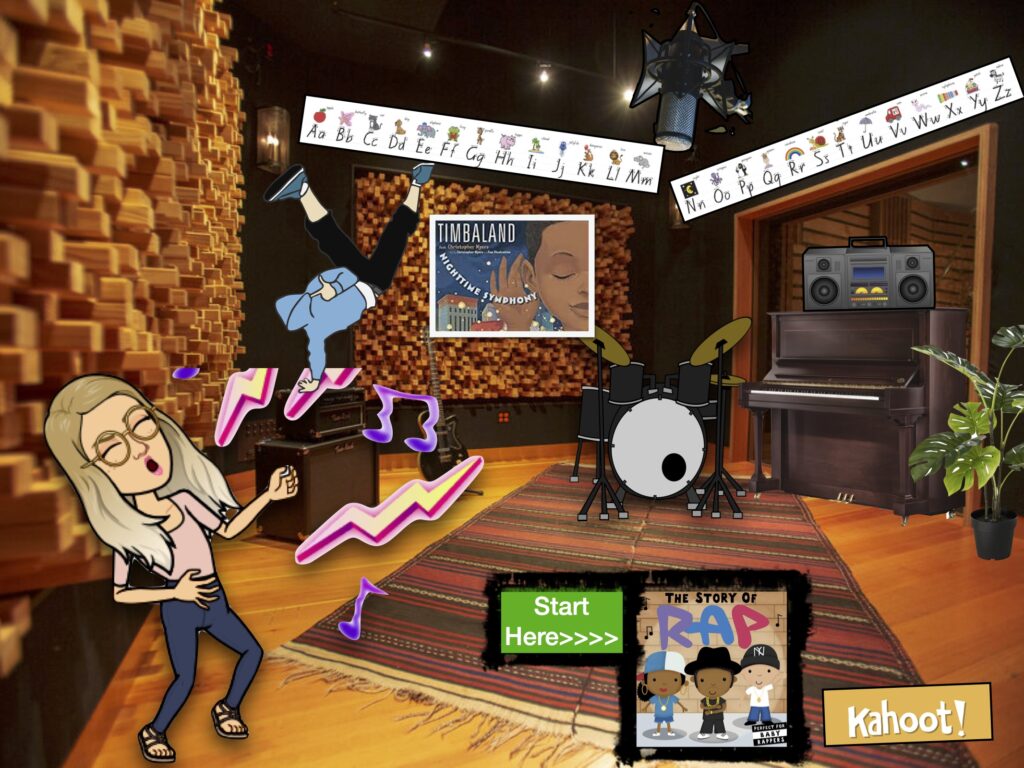
Teachers are always looking for new ways to connect with their students. In my experience, hip-hop speaks profoundly to my students. However, my rural upbringing completely ignored the entire hip-hop culture, so I found myself unable to relate. Throughout my education, the unintentional message, “Western music is better” than anything else prevailed.
Unfortunately, schools across America are still propagating this message. Hip-hop is a part of many students’ cultures – hip-hop is a culture, not just a genre.
We tell our students they have to learn “school music.” The message we are sending our students is that “their” music isn’t good enough.
Stop for a minute.
Think about that.
Representing and developing a love for music is my why. This is why I became a music teacher. I have chosen to expose my vulnerability. I have decided to face my lack of knowledge about hip-hop: the result – a deeper connection with my students.
I hope you will consider diving into the hip-hop culture and reaping the benefits of connecting with your students in a new way!
Goldman, H. (2007, January 22) Clive/DJ Kool Herc Campbell (1955- ). Retrieved from https://www.blackpast.org/african-american-history/campbell-clive-dj-kool-herc-1955/
Hill, L. (2013) When the Beat Was Born: DJ Kool Herc and the Creation of Hip Hop (T. Taylor, III, Illus.). Roaring Brook Press.
Rath, Rich. (1993). African Music in Seventeenth-Century Jamaica: Cultural Transit and Transition. The William and Mary Quarterly. 50. 10.2307/2947472.
Thompson, A., (Guest). (2005, September 2). Ahmir Thompson, AKA Questlove. [Audio Podcast]. Gross, T. (Host). Fresh Air. https://www.npr.org/2005/09/02/4829788/ahmir-thompson-aka-questlove.
Willis, F. (Guest). (2020, June 29). F.I.N.D. Your Brilliance — Interview with Franklin J. Willis. [Audio Podcast]. Jimenez, E. And McLean, J. (Hosts). The Score. https://podcasts.apple.com/us/podcast/ep-36-f-i-n-d-your-brilliance-interview-franklin-j-willis/id1475442249?i=1000480265054
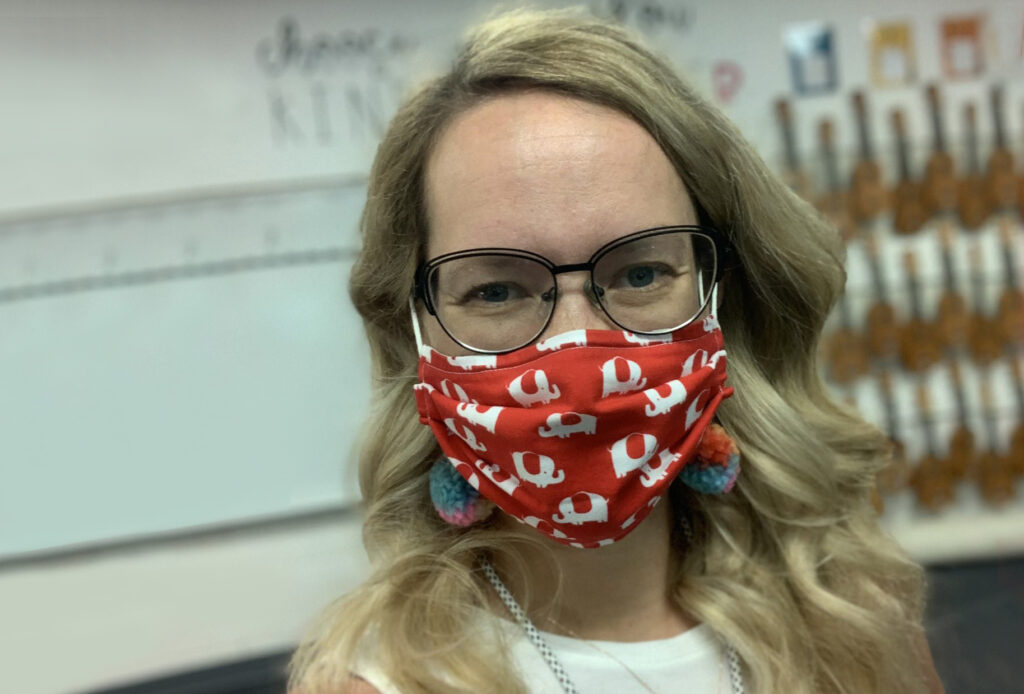
Contributor
Hello! My name is Ashley Porter, the author of the blog, More Than Music Education! I have been teaching for 9 years in a wide variety of demographics, from farm towns to rural to urban. Currently, I teach K-5…
Discover more from AshleyHello (not ? Log out)
Rose
November 7, 2023
Thank you for writing about this and sharing useful resources!