SUMMARY
Leverage tools of self-discovery and the music standard of Connecting and Collaborating to achieve inclusivity in your seasonal programming.
by Wanda Vásquez Garcia





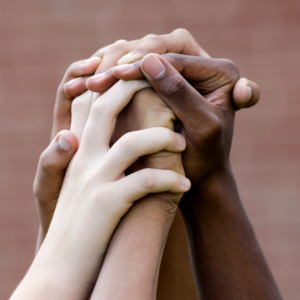
Leverage tools of self-discovery and the music standard of Connecting and Collaborating to achieve inclusivity in your seasonal programming.
by Wanda Vásquez Garcia
For years I have been trying to find a balance that allows my classroom to be an inclusive and equitable place for all of my students. I find, this task keeps evolving as I get to know my students more.
Part of me gets a bit anxious as we approach a holiday or a celebratory season. I am continually looking for ways to acknowledge the occasion in the most respectful and meaningful way for my students.
Seasonal music offers both benefits and limitations. One of the benefits is that many of my students are excited and looking forward to these times in music class. Still, a limitation is that some students are unable or unwilling to participate in these celebrations due to their own beliefs. I address these events carefully by communicating clearly with the parents and caretakers of my students.
In the past, and because of fear of doing the wrong thing, I have excluded any seasonal activities in my classroom. But after learning a bit more about all of the dimensions of our identity, I decided to take a different approach.
I attended different types of training to help me better understand how to get to know my students, validate their complete identity, and guide their discovery. Through this process, I found many resources. One resource I have found helpful is an exercise that I recommend you do with your students of appropriate age, Social Identity Wheel by LSA University of Michigan.
In addition, those training sessions steered me to put myself through a self-discovery process, and I was surprised by how much of my own identity was not clear to me. After doing some introspection and having conversations with my family about our history, I have a clearer understanding of how much I could not verbalize. It is a very empowering experience.
Many of our experiences in music are influenced by western tradition. From the beginning of modern civilization, people interacted with music to support, preserve, and center religion in their lives; later, music experiences extended to various social settings.
To make this inclusive process equitable for all of my students, I have to be conscious of my biases and not center one cultural holiday over the other. Some of my decisions include limiting seasonal music in my classroom, seasonal decorations, and providing as many choices as possible to my students when entering these times. When addressing seasonal music, I try to keep the cultural connections at the center of my teaching.
But that is not true for all people or all religions. Nowadays, we have the opportunity to craft our personal musical experience based on our interests, which can include but are not limited to our own set of beliefs.
We all have the opportunity to create playlists that fit our mood, are related to activities we engage in at different times or social occasions, and appeal to a group of people in a gathering, to mention some examples. The possibility of engaging with music in this way makes our music preference reflect our identity.
While keeping my students’ identities at the center, I reviewed the National Music and Social Studies standards. I realized that these standards provide an opportunity to address the music my students engage with during various seasons with an analytical lens.
Connect: Synthesize and relate knowledge and personal experiences to make music.
Connect: Relate musical ideas and works with varied context to deepen understanding.
Respond: Analyze how the structure and context of varied musical works inform the response.
Present: Perform expressively, with appropriate interpretation and technical accuracy, and in a manner appropriate to the audience and context.
In addition to the music standards, our school’s third-grade Social Studies curriculum covers many different traditions that occur during the holiday season. I used these standards as guiding principles to help me craft a program where my students are encouraged to expand their knowledge about their ancestral traditional and the cultures around us in our building, out in our community, and around the world.
I consider myself fortunate to work at a bilingual school with a diverse population, and I enjoy learning from them by having discussions in my classroom about their musical identities.
After considering all the aforementioned, I took steps to limit holiday music teaching only to my third-grade students. The process was within the context of interdisciplinary instruction, and I collaborated with their classroom teacher. As they learned about the many winter traditions, I focused on the intentional study of this music from a cultural perspective.
In Have Yourself a Very Inclusive Holiday Season – Part Two: Application, I will share my 2021 seasonal program. I have taught many iterations of this program, dependent upon the cultural backgrounds of my current student population. I hope that as you build your seasonal programs, you will make intentional choices that are inclusive of your student populations.
Name. (n.d.). Creating – National Association for Music Education (NAfME). https://nafme.org/wp-content/uploads/2014/11/2014-Music-Standards-PK-8-Strand.pdf. Retrieved December 9, 2021, from https://nafme.org/wp-content/uploads/2014/11/2014-Music-Standards-PK-8-Strand.pdf.
Social Identity Wheel – University of Michigan. (n.d.). Retrieved December 9, 2021, from https://sites.lsa.umich.edu/inclusive-teaching/wp-content/uploads/sites/355/2018/12/Social-Identity-Wheel-3-2.pdf.
Contributor
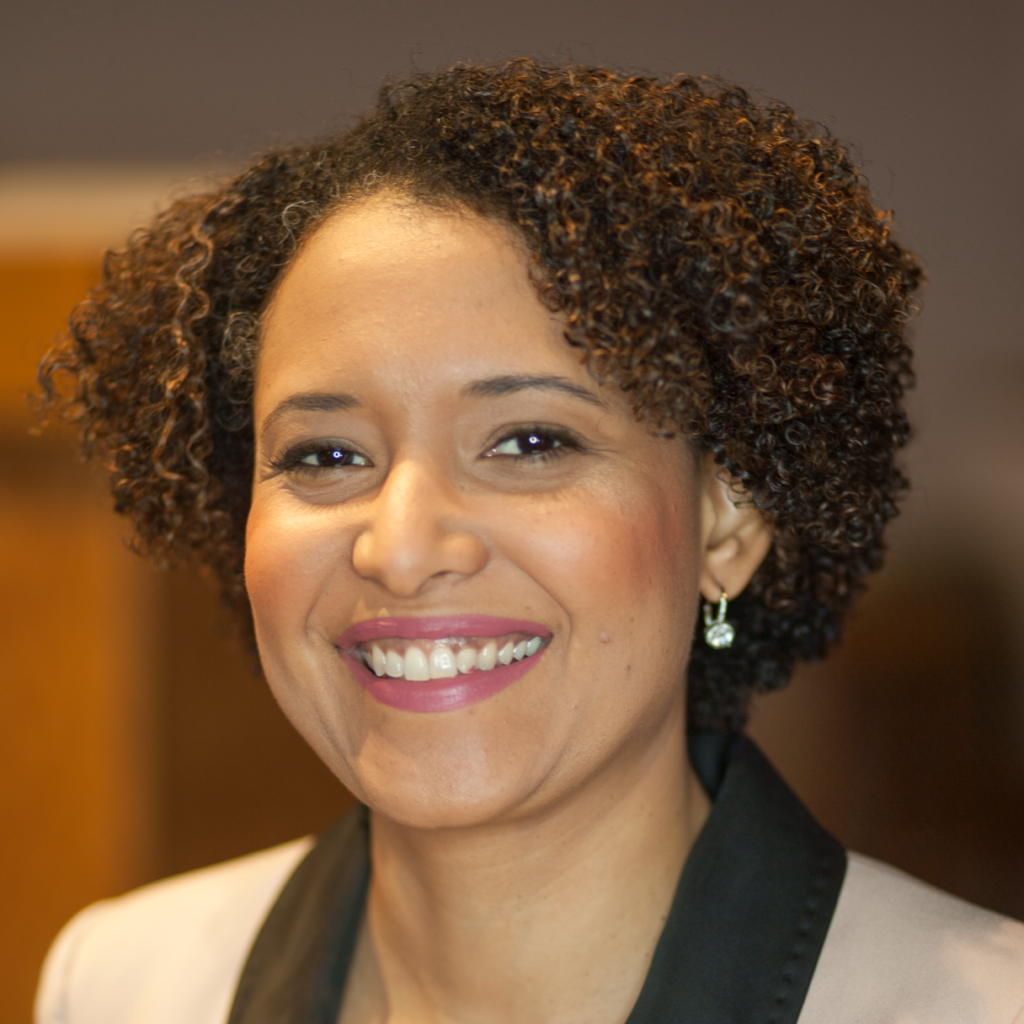
Wanda Vásquez García is a Dominican-American general music educator, children’s choir director, advocate, award-winning author, and clinician. Originally from the Dominican Republic and now based in Colorado, she holds a Bachelor’s Degree in Music Education from the Universidad Autónoma…
Discover more from Wanda Facebook
 Twitter
 Pinterest
 LinkedIn
 Email
Email Print
Print