SUMMARY
Social-Emotional Learning (SEL) may have a new name, but it’s not a new idea. Learn the basis of these standards and get a few mini-lesson suggestions on incorporating SEL into your existing lesson plans.
by Amber Moss





Social-Emotional Learning (SEL) may have a new name, but it’s not a new idea. Learn the basis of these standards and get a few mini-lesson suggestions on incorporating SEL into your existing lesson plans.
by Amber Moss
Music is social, and music is emotional. As music educators, social-emotional learning fits into what we teach day in and day out. So, what exactly is Social-Emotional Learning, and why is it something that music educators need to incorporate into their practice?
Social-Emotional Learning (SEL) is the process through which all young people and adults acquire and apply the knowledge, skills, and attitudes to develop healthy identities, manage emotions, and achieve personal and collective goals, feel and show empathy for others, establish and maintain supportive relationships, and make responsible and caring decisions (CASEL). Through music, we can help our students grow in their SEL skills with ease.
Many curricula address SEL, but two are gaining popularity and momentum in the SEL world. First, ArtsEDSEL is a framework to demonstrate how the arts and SEL intersect. Educators have worked on creating frameworks that link arts standards and SEL standards simultaneously (ArtsEDSEL).
Second, GUIDE for Life was created for Arkansas educators to incorporate SEL standards into their curriculum. Educators created the GUIDE for Life curriculum for educators in the summer of 2020 (GUIDE for Life). This curriculum guide is centralized around each area of GUIDE for Life: Growth, Understanding, Interaction, Decisions, and Empathy. Based on standards, each subcategory has ten lessons, and most are cross-curricular.
In the post-pandemic world we live in, all components of Social-Emotional Learning are needed to drive the human race. We must continue to encourage collaboration, reflection, empathy, decision making, and goal setting for our students to thrive in the years to come.
Social-Emotional Learning isn’t something more; it’s the thing that will keep our programs afloat amid the turbulence we will likely feel for the next several years due to the 2020 global pandemic. For more information on SEL practices, please visit the CASEL website, and utilize your state’s department of education to advocate for SEL standards as part of a viable, well-rounded curriculum for all.
Contributor
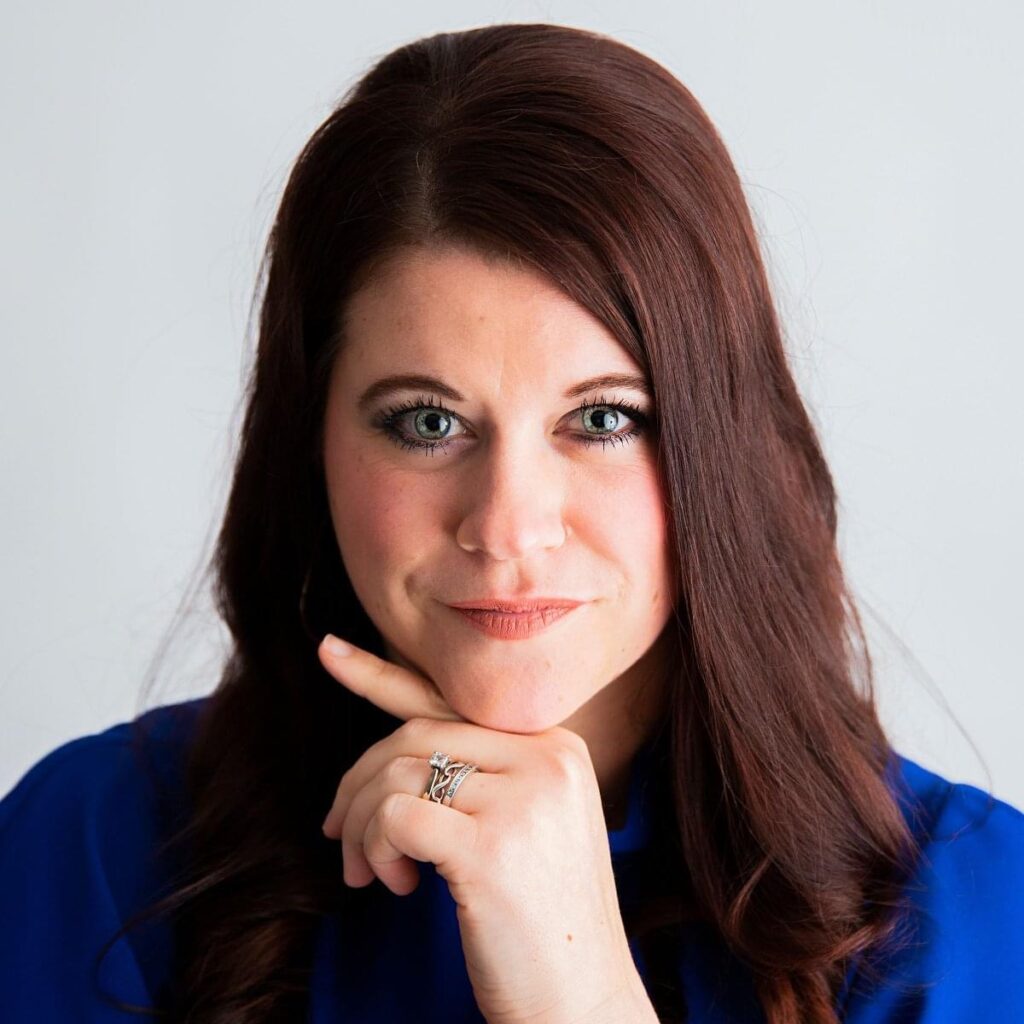
Amber Moss is a National Board Certified educator and earned her degree from the University of Central Arkansas in Conway, Arkansas. Amber has taught in several districts throughout the state at various levels from kindergarten to 12th-grade choir. She…
Discover more from Amber Facebook
 Twitter
 Pinterest
 LinkedIn
 Email
Email Print
Print